Nas Illmatic — The Hunger That Never Left Queensbridge
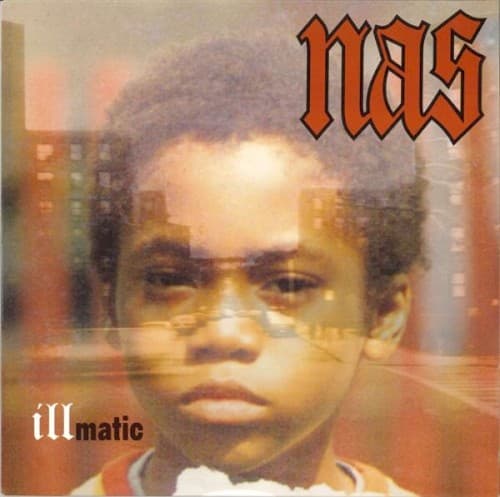
I heard Illmatic for the first time in a basement apartment on Flatbush Avenue in June 1994. My cousin's roommate had just copped the CD and we sat there in silence for forty minutes while the whole thing played through twice. Nobody moved. When it ended the second time somebody finally said what we were all thinking: we just witnessed the bar getting raised so high that half the rappers we loved yesterday suddenly felt outdated. This wasn't just a debut album. This was Nas's career-defining debut announcing that the technical ceiling in hip-hop had just been shattered and rebuilt somewhere none of us knew existed yet.
The cultural moment surrounding Illmatic gets discussed less than it should. By early 1994 East Coast rap was fighting for its identity. G-funk had taken over the charts. Death Row was printing money. New York needed something to reclaim the narrative and what arrived was a skinny kid with a photographic memory for street corners and a flow so precise it made veteran MCs sound like they were rapping with their mouths full. The album sold modestly at first but its influence spread like wildfire through the boroughs. Within six months every basement cipher in Brooklyn and Queens had someone trying to mimic that internal rhyme scheme.
What makes Illmatic the greatest hip-hop album ever recorded? The writing is part of it but that alone doesn't explain the totality. This record represents the exact moment when technical skill, production philosophy, and cultural urgency aligned perfectly. Nas was hungry in a way that cannot be replicated. He was twenty years old with nothing to lose and everything to prove. The producers were at their absolute peak. The beats sounded like New York felt. Every element served the vision.
When the Producers Brought the Soul Back
The production roster reads like a fantasy draft of 1990s East Coast beatmakers. DJ Premier, Pete Rock, Q-Tip, Large Professor, L.E.S. — each brought their signature sound but somehow the album never feels disjointed. The unifying thread is the sample selection. Every loop carries weight. The piano on one track feels like it's falling down a stairwell. The horns on another sound like they're being played at a funeral in slow motion. These aren't just beats. They're sonic photographs of the projects.
Premier's work here shows why he became the gold standard. His drums hit with that crunch that makes your head snap back involuntarily. Pete Rock brought warmth that balanced the cold precision of Nas's writing. Q-Tip gave the album its most introspective moment. Large Professor built the opening statement. L.E.S. crafted something that sounded like it was recorded inside a memory. The sequencing matters because each producer's contribution flows into the next without seams. You never feel the album switching hands.
Nas's voice at twenty carries a tone that disappeared by his second album. There's hunger in every syllable. His delivery moves between conversational and aggressive without ever losing the pocket. He rides beats like he's been doing this for fifteen years instead of finally getting his first opportunity. The internal rhyme schemes remain unmatched three decades later. How many rappers can string together four bars where every second syllable rhymes without it sounding forced? How many can make Queensbridge feel as vivid as a movie you've already seen?
The lyrical content covers territory that has been explored a million times since but felt revelatory then alongside contemporaries like Biggie's Ready to Die and Mobb Deep's The Infamous. Street narratives told from the perspective of someone documenting rather than glorifying. Social commentary delivered without preaching. Introspection that never becomes navel-gazing. He writes about his environment the way a war photographer captures conflict. There's beauty in the observations even when the subject matter is bleak. The weakness if we're forced to identify one is that the album ends before you want it to. Ten tracks feels like an incomplete conversation. But maybe that brevity is what keeps you coming back.
Forty Minutes That Changed Everything
The sequencing tells a specific story about place and perspective. The album opens with a scene-setter that functions as a territorial claim. From there the first half moves through different emotional registers while maintaining tonal consistency. Each track builds on what came before without repeating the formula. The production shifts but the core identity never wavers. By the time you reach the middle section the album has established its own gravitational pull.
The back half takes different risks. One track experiments with structure in ways that shouldn't work but somehow do. Another strips everything down to just drums and bass. The pacing never drags because the album understands when to offer a moment of reflection and when to hit you with another technical showcase. The penultimate cut serves as a thesis statement for everything Nas represents. The closer wraps the entire project in a way that feels both conclusive and open-ended.
What's remarkable about the album's structure is how it avoids the trap of frontloading. Most debuts put the strongest material in the first third to grab attention. Illmatic distributes its highlights across the entire runtime. You could start this album at any point and find something essential within two tracks. The flow between songs creates a listening experience where skipping feels wrong. Even the brief moments that serve as palate cleansers earn their placement. This isn't a collection of singles with filler in between. This is a complete work that demands to be consumed as a whole.
The Standard That Nobody Has Matched
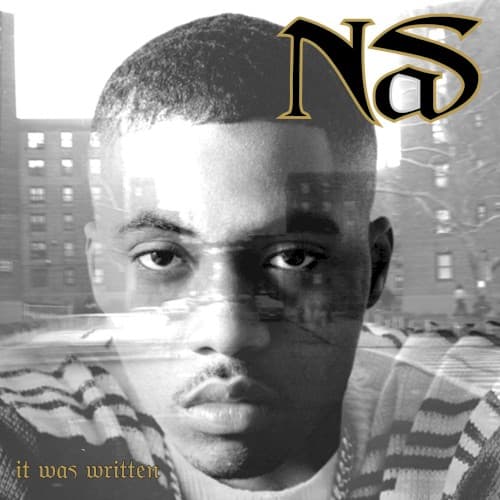
Illmatic remains Nas's defining statement. Every album he released after this one including It Was Written got measured against these forty minutes. Some came close in moments but none captured this exact balance of technical mastery and raw hunger. It sits at the top of his discography not because he stopped making good music but because he never again needed to prove himself this badly. When you already have nothing left to prove the urgency changes. This album is what desperation and genius sound like when they collide.
Who should listen to this album? Anyone who cares about rap as a technical craft. Anyone interested in how New York sounded before the mainstream moved south and west. Anyone who wants to understand why boom bap still influences producers born after this album came out. Who might not connect with it? Listeners who need melodic hooks to stay engaged. People who prefer their rap with more sonic experimentation. Anyone looking for radio-friendly accessibility will find this uncompromising.
The album aged like a photograph that becomes more valuable over time. The production sounds cleaner now than it did on cassette in 1994 but still carries that lo-fi soul that digital recordings can't replicate. The subject matter feels like historical documentation of a specific moment in New York that no longer exists. The technical skill hasn't been surpassed by anyone who came after. You can hear Illmatic's influence in every lyrical rapper who prioritizes internal rhyme schemes and vivid imagery over punchlines and wordplay for its own sake.
Essential tracks to start with if you've never heard this: the second track showcases everything the album does best in under five minutes. The fourth track is the most accessible entry point. The seventh track demonstrates Nas's storytelling ability. For similar albums try Raekwon's purple-tape debut, Mobb Deep's second album, or AZ's first solo project. The long-term influence can be traced through everyone from Jay-Z to Kendrick Lamar to J. Cole.
Thirty years later this album still sounds like the greatest forty minutes ever committed to tape in hip-hop. That's not nostalgia talking. That's just reality.
Track Listing
The Genesis
▲The opening scene sets the tone with audio from the film Wild Style, immediately grounding the album in New York hip-hop culture. It's a forty-second thesis statement about where Nas comes from and what he represents. The scratch work over the dialogue creates texture without overwhelming the vocal sample. This kind of intro doesn't exist much anymore because albums don't function as complete statements the way they did in 1994. The choice to open with someone else's voice talking about the culture rather than Nas himself rapping shows confidence most debut artists don't possess.
N.Y. State of Mind
▲Premier's production here became the blueprint for New York street rap for the next decade. The piano loop descends like a fire escape collapsing. The drums sound like they were recorded in a stairwell. Nas opens with "I don't know how to start this" then proceeds to deliver one of the most technically flawless verses in rap history without taking a breath. The internal rhymes stack so efficiently that transcribing this on paper looks like a puzzle. His description of the projects contains the kind of specific visual detail that separates documentation from glorification. When AZ shows up for his verse he matches Nas bar for bar which almost never happens on someone else's album. The hook is just a scratched sample repeated but it works because the verses are so dense they need breathing room. This remains the single best track on the album and one of the five best rap songs ever recorded. Every element serves the vision.
Life's a Bitch
▲Pete Rock brought warmth to an album that could have felt too cold. The trumpet loop and upright bass create a jazz-club atmosphere that contrasts with the street narratives. Nas uses the first verse to process mortality in a way that feels lived-in rather than philosophical. His writing about the afterlife and material possessions hits different when you remember he was twenty years old when he recorded this. AZ's verse here eclipses most rappers' entire careers. The way he rides the pocket while maintaining that internal rhyme scheme Nas pioneered shows two MCs operating on the same wavelength. Corrado's trumpet solo at the end turns a rap song into something that could play at a funeral. The only weakness is the hook feels slightly underdeveloped compared to the verses. But that's reaching for criticism on a track that otherwise achieves everything it attempts.
The World Is Yours
▲Q-Tip's production here is the most optimistic moment on the album. The piano sounds hopeful in a way that contrasts with the subject matter. The drums shuffle instead of knock. Nas uses the space to deliver observations about ambition and survival that feel more introspective than confrontational. His flow here is looser than on the Premier tracks, adapting to the beat's swing. The hook built around the Ahmad Jamal sample became one of the most recognizable refrains in 90s rap. This track works as the album's centerpiece because it offers a moment of reflection before the second half gets darker. The bridge section where the beat breaks down to just bass and hi-hats shows restraint most producers lacked. If there's a radio-friendly entry point to this album it's here, though even that descriptor undersells how layered the writing is.
Halftime
▲Large Professor built something that sounds like it's being played through a busted speaker in a corner store. The drums are off-kilter in a way that makes your head bob at strange angles. This was actually Nas's first official single released before the album and it functions as a technical showcase. He rides the beat like he's proving he belongs in conversations with the veterans. The writing here is more battle-rap focused than the introspective tracks. Lots of wordplay and internal rhymes designed to demonstrate skill. The scratches punctuate the verses perfectly. This track represents Nas in competitive mode rather than storytelling mode. It's essential but not the strongest moment on an album where almost every track could be the strongest moment.
Memory Lane (Sittin' in da Park)
▲Premier's second contribution pulls from a different part of his toolkit than the opening statement. The piano sounds nostalgic and the drums hit softer. Nas uses the space to reflect on childhood and the path that led him to this moment. The writing contains specific details about Queensbridge in the 1980s that make it feel like historical documentation. He name-drops people and places that only locals would recognize but the emotion translates universally. The second verse shifts into survival mode discussing the drug trade without glamorizing it. The production stays minimal throughout allowing the vocals to carry the weight. This is the kind of track that grows on you with repeat listens because the details reveal themselves slowly. Not a marquee moment but an essential piece of the album's emotional arc.
One Love
▲Q-Tip's second production is built around a bass line that sounds like it's walking through the projects at night. Nas structures this as a series of letters to incarcerated friends which was a narrative device nobody had really explored in rap yet. The storytelling here is novelistic in its detail. He describes specific people and situations with enough precision that you can visualize the scenes. The writing about loyalty and the costs of street life hits harder than more aggressive tracks about the same subject matter because it comes from a place of observation rather than posturing. The hook interpolates a classic soul record but doesn't overpower the verses. This demonstrates Nas's range as a writer. He can do technical battle raps and he can do this. Most rappers can only do one or the other.
One Time 4 Your Mind
●Large Professor's second beat is the loosest production on the album. The drums have swing and the sample feels more playful than the surrounding tracks. Nas uses this to deliver a less intense performance which serves as a palate cleanser between heavier moments. The writing is solid but not essential. He's rapping just to rap here which is fine on an album where most tracks carry heavier thematic weight. The hook is repetitive in a way that starts to grate by the third time through. This is the one track on the album that could be removed without damaging the overall narrative. Still better than filler on most other albums but clearly the weakest link here.
Represent
▲DJ Premier's final contribution might be his most aggressive production on the album. The drums sound like they're punching through the speakers. The sample is dark and minimal creating space for Nas to operate. This track functions as a thesis statement for everything Queensbridge represents in his worldview. The first verse is pure technical demonstration with internal rhymes stacked so tightly they almost become percussive. The second verse shifts into storytelling mode describing a night in the projects with cinematic detail. He manages to make violence sound both immediate and reflective. The hook is just him repeating the song title but the delivery sells it. This is Nas in full control of his abilities showing off without seeming like he's showing off. One of the album's three or four essential tracks depending on who you ask.
It Ain't Hard to Tell
▲L.E.S. created something that sounds like it exists in a different dimension than the rest of the album. The drums are lighter and the sample work is more intricate with multiple elements weaving together. Nas uses this to close the album with a victory lap. His flow here is more relaxed than the opening tracks showing growth even within the span of ten songs. He references Michael Jackson and Rakim in ways that connect his work to a larger cultural lineage. The hook is minimal but effective. The choice to end the album on a note of confidence rather than darkness or introspection shows artistic maturity. This track sends you back to the beginning wanting to hear the whole thing again. It's not the strongest individual song but it's the perfect closer for what the album accomplishes as a complete work.