Maturity as a Competitive Advantage in Modern Hip-Hop
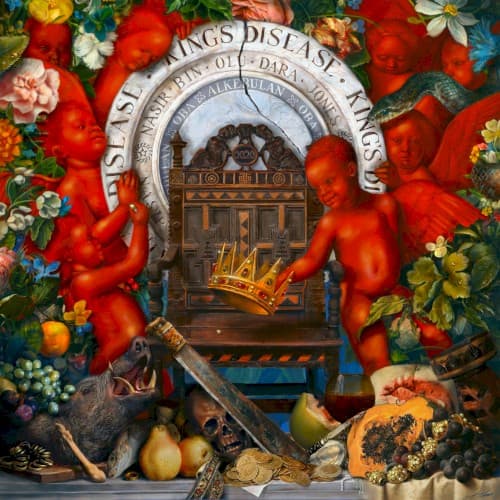
Twenty-six years into a career defined by impossible expectations and uneven execution, Nas delivered King's Disease with the confidence of someone who finally stopped chasing his younger self. Released in August 2020 on Mass Appeal Records, this thirteenth studio album arrived without the promotional blitz or desperation that marked some of his 2000s output. Instead, Hit-Boy's cohesive production and Nas's refocused pen created something the veteran MC hadn't achieved in over a decade: an album that sounds essential rather than obligatory.
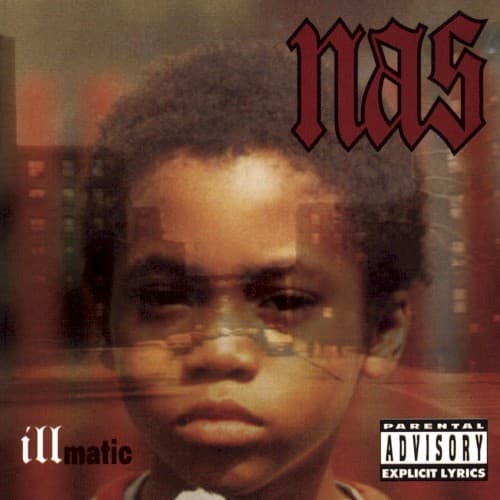
The title itself acknowledges the burden of legacy. King's Disease—the weight of being crowned too early, living under permanent scrutiny, carrying a catalog that includes Illmatic. But where previous albums often buckled under that pressure, this project wears it lightly. At 46, Nas sounds unbothered by the young lions nipping at his relevance. The production avoids trend-chasing, the writing reflects accumulated wisdom rather than borrowed youth, and the sequencing flows with album-era intentionality that streaming-age projects frequently abandon.
What makes King's Disease compelling isn't nostalgia or a return to 90s boom-bap purity. It's watching an artist recalibrate his strengths for a different stage of life. The hunger that fueled Illmatic has transformed into something equally potent: the perspective of someone who's seen multiple eras of hip-hop rise and fall, and knows exactly where he still fits.
Hit-Boy's Golden-Era Synthesis and Nas's Refined Lyricism
Hit-Boy handles the entirety of King's Disease, and that singular vision proves crucial. His production doesn't replicate the dusty soul samples of Nas's 90s prime or chase the trap patterns dominating 2020 radio. Instead, he crafts a sonic middle ground—warm, layered, melodic enough for contemporary ears but rhythmically rooted in the boom-bap tradition. The drums hit with clarity and knock without overwhelming. Strings, keys, and vocal samples add texture without cluttering the mix. This approach gives Nas room to operate in his natural register while sounding current rather than dated.
The opening title track establishes this aesthetic immediately. Plush keys and a steady knock provide the backdrop for Nas reflecting on mortality, legacy, and the peculiar disease of being anointed greatness before you're fully formed. His flow here is unhurried, almost conversational, but the wordplay remains sharp. He's not performing verbal gymnastics to prove his technical skill—he's earned the right to communicate clearly. When he does flex, as on "Ultra Black," the multisyllabic runs feel purposeful rather than showing off. The track itself, a pride anthem featuring Hit-Boy on the hook, balances celebration with the weight of history. It works because Nas sounds genuinely invested in the message, not checking boxes for a think-piece headline.
"27 Summers" offers pure introspection, Nas counting the years since Illmatic and assessing what's changed. The production floats, piano chords gliding over subdued drums, while Nas catalogs relationships, industry politics, and personal evolution with the kind of specificity that only comes from living through it. There's no bitterness here, just clear-eyed assessment. This is the album's superpower: Nas writing from a place of resolution rather than defensiveness. He's not litigating old beefs or relitigating his catalog's inconsistencies. He's simply taking stock.
The guest appearances enhance rather than carry tracks. Anderson .Paak brings silky vocals to "All Bad," his melodic sensibility complementing Nas's more grounded delivery. The Big Sean and Don Toliver collaboration on "Replace Me" injects youthful energy without making Nas sound out of place—if anything, his verse reminds you why the younger generation still references him. Charlie Wilson's presence on "Til the War Is Won" adds a layer of soul tradition that reinforces the album's cross-generational appeal.
Lyrically, Nas benefits from focusing on what he knows rather than attempting to sound plugged into youth culture. Wealth talk appears, but it's filtered through decades of perspective. Relationship reflections carry the complexity of someone who's been married, divorced, and aged into understanding patterns. Even the braggadocio feels earned—he's not claiming to be the hottest rapper alive, he's asserting continued relevance among the greats, and backing it up with consistent bars. The difference matters. When younger rappers claim elite status, it's aspirational. When Nas does it on King's Disease, it's documented fact delivered with the calm of someone who has nothing left to prove but chooses to rap anyway.
Career-High Moments and Thematic Peaks Across the Tracklist
"Full Circle" featuring The Firm reunites Nas with Foxy Brown, AZ, and Cormega—a moment of genuine nostalgia that justifies its existence through execution rather than sentiment alone. Hit-Boy's production gives the posse cut a modern sheen while leaving space for each MC to occupy their lane. Foxy's verse carries the edge that made her formidable in the 90s. AZ remains one of the smoothest technical rappers alive, his flow effortless. Cormega delivers with the hunger of someone grateful for the platform. And Nas orchestrates it all without letting the track become a museum piece. It works because everyone sounds engaged, not like they're reenacting glory days for a check.
"The Definition" strips things back to Nas and Hit-Boy with Brucie B and Slick Rick adding vocal texture. Here, Nas explores what it means to define yourself when the culture has already written your narrative. The production is skeletal—just drums, bass, and vocal loops—allowing the writing to command full attention. Nas cycles through definitions of success, authenticity, artistry, and legacy with the kind of conceptual focus that characterized his strongest 90s work. It's not trying to be "N.Y. State of Mind," but it operates with similar intentionality.
Closer "Spicy" featuring Fivio Foreign and A$AP Ferg might seem like an odd tonal shift, but it demonstrates Nas's willingness to meet younger artists on their ground without compromising his identity. Fivio brings the Brooklyn drill energy that was dominating New York in 2020, Ferg adds his typically aggressive delivery, and Nas adapts his flow to the faster tempo without sounding awkward. It's a smart album closer—proof that he can still navigate contemporary New York sounds while maintaining his voice. The track doesn't pander, it participates.
A Late-Career Renaissance That Earns Its Victory Lap
King's Disease succeeds where many veteran rap albums fail: it justifies its existence beyond nostalgia or legacy maintenance. This isn't Nas making an album because he's contractually obligated or trying to prove he can still compete with trap's dominance. It's an artist who rediscovered creative partnership—Hit-Boy's production gave him a cohesive canvas—and remembered that his strength was never trying to be the youngest or the trendiest. His strength is being Nas.
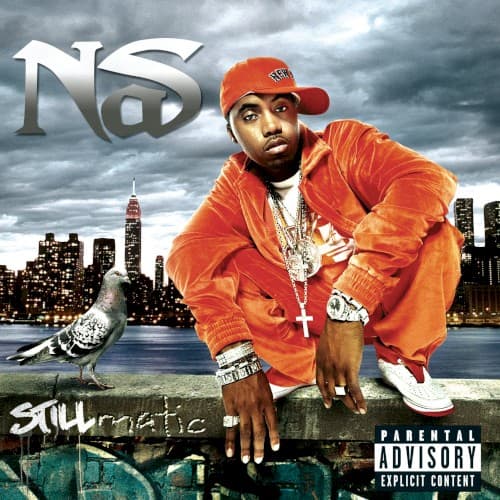
The album's weaknesses are minor. A few tracks in the middle stretch feel slightly undercooked, ideas that could've been pushed further. "Car #85" offers solid verses but doesn't quite land as a standout. "10 Points" meanders a bit without locking into a strong conceptual through-line. But these are quibbles in an album that maintains quality across its runtime, something Nas struggled with for years. The Hit-Boy collaboration clearly unlocked something—focus, confidence, creative chemistry—that had been missing from his post-Stillmatic work.
This album matters not because it's Illmatic Part Two or even Life Is Good Part Two. It matters because it represents a template for how legacy artists can age gracefully in hip-hop without sounding irrelevant or desperate. The Grammy it won for Best Rap Album—Nas's first Grammy after fifteen prior nominations—validated what the music already proved: sometimes the long view wins. King's Disease doesn't sound like a 2020 rap album trying to go viral. It sounds like a 2020 Nas album, which is exactly what it needed to be.
Track Listing
King's Disease
The title track opens with contemplative piano and tight drums, Nas immediately addressing mortality and the burden of early coronation. His flow is deliberate, almost meditative, as he reflects on being labeled great before fully understanding what that meant. The production gives him space to breathe, and he uses it to set the album's thematic stakes: this is about surviving legacy, not proving it. The track works as both mission statement and warning—King's Disease is the pressure that comes with the crown, and Nas has lived with it for decades.
Blue Benz
Hit-Boy crafts a breezy, melodic backdrop with layered vocals and a gentle bounce. Nas shifts into storytelling mode, detailing material success and the lifestyle that comes with sustained career longevity. The writing is precise without being flashy—he's cataloging experiences rather than bragging for effect. The hook, handled by Hit-Boy, provides melodic contrast to Nas's grounded delivery. It's a confident flex track that doesn't overreach, content to let the details speak for themselves.
Car #85
Built around a soulful vocal sample and crisp percussion, this track finds Nas reflecting on wealth, relationships, and the distance between his current life and his Queensbridge origins. The production has a nostalgic warmth, but the content is firmly rooted in the present. Nas's verses are solid if not spectacular—good writing without the quotable moments that define his best work. It functions well within the album's flow but doesn't demand repeat listening on its own.
Ultra Black
A pride anthem that balances celebration with historical consciousness. Hit-Boy's production features triumphant horns and a head-nodding groove, creating an uplifting backdrop for Nas to explore Black excellence and cultural identity. His verses reference figures from across Black history and culture, grounding the pride in specificity. The hook is simple but effective, and the track works as both a statement piece and a playlist-ready single. Nas sounds genuinely engaged with the subject matter, avoiding the didactic tone that can sink message tracks.
27 Summers
Perhaps the album's most introspective moment. The production is minimal—piano, subtle strings, understated drums—allowing Nas to take center stage as he counts twenty-seven years since Illmatic's release. He catalogs changes, losses, lessons learned, and the strange experience of being frozen in time by a debut album. The writing is vulnerable without being sentimental, honest without self-pity. It's the kind of track only Nas could write, requiring both the career longevity and the self-awareness to pull it off.
Replace Me
Featuring Big Sean and Don Toliver, this cross-generational collaboration addresses competition and legacy from multiple angles. Hit-Boy's production is lush and melodic, with Toliver providing a sung hook that adds commercial appeal. Big Sean delivers a characteristically technical verse, and Nas reminds everyone why the younger generation still studies his catalog. The track demonstrates Nas's ability to share space with contemporary artists without sounding out of place or desperate to relate. Each voice complements rather than competes.
Til the War Is Won
Charlie Wilson's soulful vocals anchor this reflective piece about struggle, perseverance, and the ongoing fight for progress. The production is warm and gospel-tinged, Hit-Boy pulling from Black musical tradition to underscore the track's thematic weight. Nas's verses address systemic issues and personal resilience with equal gravity. It's a heavier moment on the album, balancing the more celebratory tracks with social consciousness. Wilson's hook provides emotional lift without diluting the message.
All Bad
Anderson .Paak brings his signature smooth vocal style to this collaboration about recognizing unhealthy patterns and walking away. The production is groovy and melodic, Paak's voice floating over the beat while Nas delivers verses about relationship dysfunction and self-preservation. It's one of the album's most accessible tracks, bridging Nas's core audience with listeners drawn to Paak's lane. The chemistry between the two artists feels natural, each understanding how to complement the other's strengths.
The Definition
A conceptually focused track featuring vocal contributions from Brucie B and Slick Rick. The production is stripped-back—drums, bass, sparse vocal loops—putting maximum emphasis on Nas's writing. He explores multiple definitions: of success, authenticity, artistry, legacy. The verses are dense with wordplay and internal rhyme schemes, showcasing the technical skill that made him a legend. It's one of the album's most lyrically demanding tracks, rewarding close listening and demonstrating that Nas hasn't lost his pen.
Full Circle
The Firm reunion delivers on its nostalgic promise through quality execution rather than sentiment. Foxy Brown, AZ, and Cormega join Nas for a posse cut that feels vital rather than like a heritage act cashing in. Hit-Boy's production gives the track a contemporary shine while maintaining enough space for each MC to shine. AZ's technical fluidity remains unmatched, Foxy brings her trademark edge, Cormega raps with gratitude and hunger, and Nas orchestrates the whole affair with veteran confidence. It works because everyone sounds present.
10 Points
Hit-Boy's production on this track is atmospheric, with swirling synths and a hypnotic rhythm. Nas delivers verses about accumulating wins and scoring points in life's various arenas—career, family, wisdom. The concept is solid but the execution feels slightly underdeveloped compared to the album's stronger moments. It doesn't quite lock into a memorable hook or quotable verse, functioning more as an album track that maintains momentum without demanding attention. Competent but not essential.
The Cure
Another introspective entry, with Nas positioning hip-hop and his own artistry as healing forces. The production is soulful, featuring warm keys and a steady knock. Nas's verses touch on music as therapy, the power of storytelling, and his role as a cultural elder passing down knowledge. It's a quieter moment on the album, reflective without being heavy-handed. The writing is strong if not spectacular, and the track reinforces the album's overarching theme of maturity and perspective as strengths rather than weaknesses.
Spicy
The album closer featuring Fivio Foreign and A$AP Ferg represents Nas engaging with contemporary New York drill energy. The production is faster and harder-hitting than most of the album, Fivio bringing the Brooklyn sound that dominated 2020, and Ferg adding his aggressive delivery. Nas adapts his flow to the tempo without losing his identity, proving he can still navigate modern New York rap sounds. It's a strategic closer, demonstrating range and relevance while leaving the album on an energetic note rather than a contemplative fade-out.