Queensbridge's Bleakest and Most Powerful Statement
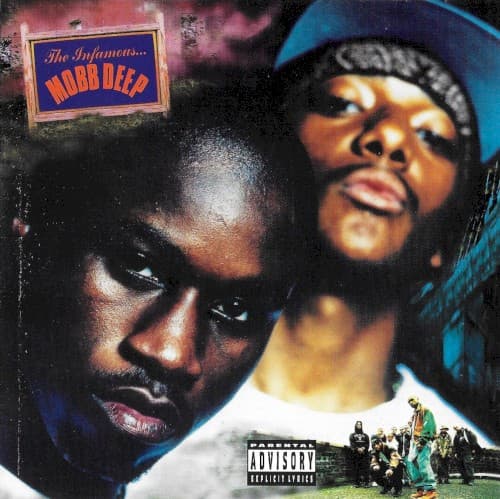
Mobb Deep's The Infamous is the sound of Queensbridge at its most uncompromising — a bleak, paranoid masterpiece that captured the reality of project life with unflinching honesty. Released in April 1995 through Loud Records, this album arrived during hip-hop's golden era and immediately distinguished itself through sheer atmospheric density. Havoc and Prodigy were barely twenty years old when they crafted this album, yet the world-weariness in their voices suggests lifetimes of hard-earned wisdom. Three decades later, The Infamous remains the definitive blueprint for dark, cinematic East Coast street rap, its influence echoing through generations of artists from 50 Cent to Griselda, Joey Bada$$, and the entire Alchemist-driven underground renaissance of the 2010s and 2020s. The album's impact extends beyond hip-hop into film and television — its tracks have soundtracked countless crime dramas and documentaries, while directors like Martin Scorsese have drawn from its visual storytelling approach. Following their underperforming debut Juvenile Hell, this sophomore effort represented a complete artistic rebirth, cementing Mobb Deep's discography as essential to understanding New York hip-hop.
Murky Jazz Samples and Vivid Street Journalism
Havoc's production is the album's foundation — murky, jazz-sampled beats that feel like walking through dimly lit housing project hallways at night. Drawing from '70s soul and jazz records, Havoc pioneered a minimalist approach that became the sonic template for late-'90s New York rap. The samples are dark and atmospheric, built on minor-key piano loops and hard-hitting drums that create a constant sense of tension. His technical innovation extended to his mixing approach: deliberately muddying the low-end frequencies to create a claustrophobic sound that made listeners feel trapped in the same projects he was documenting. This lo-fi aesthetic, achieved through budget constraints at D&D Studios where much of the album was recorded, accidentally created a sonic signature that producers like Daringer and The Alchemist would later study and emulate. His use of space and restraint — no unnecessary elements, just drums, bass, and melody — influenced everyone from DJ Premier's later work to Alchemist's entire aesthetic, while standing alongside albums like Nas' Illmatic and Enter the Wu-Tang (36 Chambers) as defining the era's East Coast sound. Prodigy's writing is remarkably vivid, painting street scenes with a journalist's eye for detail and a poet's feel for language. His internal rhyme schemes and multisyllabic patterns elevated street storytelling beyond simple narratives into literary territory. What made Prodigy's delivery particularly devastating was his monotone flow — a deliberately flat affect that suggested someone emotionally numbed by constant violence, creating psychological depth that academic studies of hip-hop narrative have since analyzed extensively. The chemistry between Havoc's claustrophobic production and Prodigy's cinematic lyricism created something greater than its parts. Together, they created a sonic world so immersive that listeners feel transported to Queensbridge's 41st Side projects. The album's 12-track structure feels deliberate — no filler, no radio concessions, just uncompromising vision executed with precision. This purity of purpose is what separated The Infamous from countless contemporaries and established Mobb Deep as artists rather than mere rappers. Historically, the album's commercial success (platinum certification by 1996) proved that uncompromising street rap could achieve mainstream recognition without crossover compromises, emboldening subsequent artists like DMX and the entire Ruff Ryders movement to pursue similarly unvarnished approaches.
Haunting Piano Loops and Survival Narratives
'Shook Ones (Part II)' needs no introduction — its haunting piano loop (sampled from Herbie Hancock's 'Jessica') and Prodigy's legendary opening verse ('I got you stuck off the realness') make it one of the most iconic tracks in hip-hop history. The track's impact extends far beyond 1995; it's been sampled, referenced, and paid homage to by everyone from Eminem to Kendrick Lamar, while appearing in major films like 8 Mile and Narcos. The instrumental alone has become a cultural shorthand for menace and street authenticity, recognizable within seconds to multiple generations. Havoc has stated in interviews that he created the beat in approximately fifteen minutes, a testament to intuitive genius that production masterclasses still dissect. 'Survival of the Fittest' is equally devastating, with both MCs delivering survival narratives over another dark, hypnotic Havoc production built around a looped sample that creates almost unbearable tension. The track's opening line — 'There's a war goin' on outside no man is safe from' — became a generational rallying cry and gained renewed relevance during the 2020 pandemic, demonstrating how great art transcends its immediate context. 'Temperature's Rising' builds unbearable tension through its storytelling, featuring guest verses from Crystal Johnson that add dramatic weight. The track's narrative structure — essentially a short film in audio form — anticipated the cinematic storytelling that would dominate hip-hop in subsequent decades. 'Eye for a Eye (Your Beef Is Mines)' showcases Nas in peak form alongside the duo, creating a Queensbridge summit that reads like a manifesto on loyalty and street code, foreshadowing the cinematic ambition he would explore further on It Was Written. This collaboration represented the Queensbridge sound at its apex, with three of the borough's greatest voices unified in purpose. The Q-Tip-produced 'Drink Away the Pain' offers a moment of melodic respite while maintaining thematic consistency, proving the album could show vulnerability without compromising its edge. Q-Tip's contribution represented A Tribe Called Quest's influence permeating even the hardest street rap, demonstrating hip-hop's interconnected creative ecosystem.
The Definitive Street Rap Album
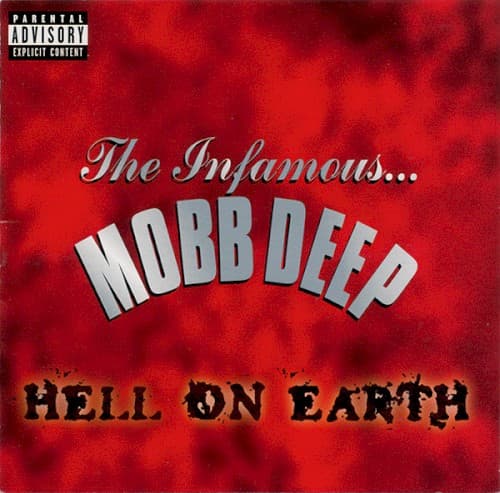
The Infamous is the definitive street rap album — raw, unfiltered, and brutally honest about the realities of inner-city life. Mobb Deep created a sonic portrait of Queensbridge that is both deeply specific and universally resonant. This is one of those rare albums that captures an entire world within its runtime. Its influence on East Coast hip-hop cannot be overstated: the album established the sonic and thematic template that defined New York rap for the remainder of the '90s and beyond, a formula the duo would refine further on Hell on Earth. From a technical perspective, Havoc's production innovations — the use of negative space, minor-key samples, and boom-bap drums mixed with uncomfortable clarity — became industry standard, directly influencing the sonic palette of labels like Roc-A-Fella Records, Ruff Ryders, and decades later, Griselda Records. Prodigy's writing demonstrated that street rap could achieve literary depth without sacrificing authenticity, his influence visible in everyone from Pusha T to Vince Staples. In the context of 1995, when West Coast G-funk dominated commercially and Bad Boy was introducing hip-hop to pop crossover, The Infamous stood defiantly apart — uncompromising, uncommercial, and undeniably influential. The album's success also vindicated Loud Records' artist-first approach, proving that independent-minded labels could compete with major industry players. Three decades later, with Prodigy tragically passing in 2017 from complications related to sickle cell anemia, the album stands as testament to his artistic vision and remains essential listening for understanding the full scope of hip-hop's creative possibilities. His posthumous reputation has only grown, with younger artists like Westside Gunn, Conway the Machine, and Earl Sweatshirt citing him as foundational to their aesthetics. The Infamous didn't just document Queensbridge in 1995 — it created a timeless sonic world that still feels immediate and necessary today, regularly appearing on critics' best-of-all-time lists and streaming steadily across generations. Its placement in the Library of Congress's National Recording Registry discussions reflects its cultural permanence beyond hip-hop into American artistic heritage.
Track Listing
The Start of Your Ending (41st Side)
A menacing album opener that establishes the Queensbridge setting with cinematic precision. Havoc's production uses eerie strings and minimalist drums to create immediate tension, while the duo's opening verses lay out their worldview without preamble. The title references Queensbridge's 41st Side, grounding the album in specific geography that becomes a character itself throughout the runtime. The track's confrontational title immediately signals the album's uncompromising stance — no welcoming intro, just immediate threat assessment. Havoc's drum programming here established a pattern he would refine across the entire album: hard-hitting snares placed slightly off the expected grid, creating unsettling rhythmic tension.
Eye for a Eye (Your Beef Is Mines)
Nas guests on a track about loyalty and retaliation that reads like a street code manifesto. His verse ('I'm the young city bandit, hold myself down singlehanded') matches Mobb Deep's intensity perfectly, creating one of the album's definitive posse cuts. Havoc's production, built on a haunting piano loop and thunderous drums, provides the perfect backdrop for three MCs operating at peak power. This collaboration represented peak Queensbridge synergy, with Nas fresh off Illmatic's critical triumph lending credibility to Mobb Deep's sophomore effort. The track's code of loyalty became a philosophical touchstone for street rap's ethics, frequently referenced in hip-hop discourse about authenticity and allegiance.
Just Step Prelude
A brief but effective interlude that builds the album's atmosphere of impending confrontation. The sparse production and snippets of threatening dialogue create narrative momentum, serving as a tension-building bridge that makes the following track hit harder. These cinematic interludes were becoming standard practice in '90s hip-hop, but Mobb Deep deployed them with particular effectiveness, treating the album as a cohesive statement rather than a collection of singles.
Give Up the Goods (Just Step)
Big Noyd's guest appearance adds energy to a track about the hustle and its consequences. Havoc's production features one of the album's most aggressive beats, with hard-hitting drums and a menacing bassline. The track showcases Mobb Deep's crew depth, proving that Queensbridge's talent pool extended beyond the main duo. Big Noyd's gravelly delivery and street-level perspective complemented Mobb Deep's vision perfectly, and his inclusion demonstrated their commitment to elevating their entire circle rather than pursuing solo stardom. This crew mentality echoed Wu-Tang's approach while maintaining distinctly Queensbridge identity.
Temperature's Rising
A masterful narrative track where the tension builds unbearably through layered storytelling. The inclusion of Crystal Johnson's singing adds dramatic weight to what plays like a three-act street drama. Havoc's production uses space and silence as effectively as sound, allowing the narrative to breathe while maintaining oppressive atmosphere. This track demonstrates the duo's cinematic ambitions beyond standard rap formula. The song-within-a-song structure, with Johnson's melodic hook providing narrative commentary, anticipated the conceptual complexity that would characterize later classics like Kendrick Lamar's good kid, m.A.A.d city. The track's dramatic arc — setup, confrontation, consequence — demonstrated storytelling sophistication that elevated street rap into genuine literature.
Up North Trip
A grim portrait of incarceration that avoids cliches through specificity and emotional truth. The track's detailed depiction of prison life — the visits, the monotony, the psychological toll — feels documentary-real. Havoc's production strips away melodic elements, leaving stark drums that mirror the barren emotional landscape being described. This unflinching examination of incarceration's reality predated the broader cultural conversation about mass incarceration by decades, making it a prescient social document as much as a rap song. The track's title uses New York slang for prison ('up north' referring to upstate New York facilities), grounding it in regional specificity while addressing universal themes of confinement and lost time.
Trife Life
Havoc and Prodigy trade verses about survival with a weariness that feels earned rather than performed. The production's looped sample creates hypnotic momentum while maintaining the album's claustrophobic aesthetic. This track exemplifies the duo's chemistry — their flows complement rather than compete, creating a unified voice that feels greater than two individuals. The title's slang ('trife' meaning foul or treacherous) captures the moral ambiguity of street life without glorification or condemnation, presenting reality with journalistic objectivity that makes the ethical complexity more powerful than any explicit moralizing could achieve.
Q.U. - Hectic
A day-in-the-life narrative that showcases the album's documentary-like attention to detail. The title references Queensbridge (Q.U.) and the hectic pace of project life. Prodigy's verse painting mundane details with vivid specificity elevates street rap into observational literature, proving that profound art can emerge from simply documenting reality with precision and honesty. The track's accumulation of small details — specific street corners, daily routines, minor confrontations — creates a textured portrait of project existence that sociological studies could barely capture. This anthropological approach to street documentation influenced subsequent realist hip-hop from Memphis Bleek to Vince Staples.
Drink Away the Pain (Situations)
Q-Tip's hook adds a moment of unexpected warmth to a track about coping with impossible circumstances. His production — more melodic than Havoc's typical approach — provides necessary dynamic range without breaking the album's mood. The track addresses generational trauma and self-medication with empathy rather than judgment, showing emotional depth that separated Mobb Deep from purely aggressive street rap. Q-Tip's involvement represented A Tribe Called Quest's implicit endorsement of Mobb Deep's artistry, bridging hip-hop's conscious and street divides. The track's examination of alcoholism and depression as responses to environmental trauma demonstrated psychological sophistication rare in mid-'90s rap, anticipating later generations' more open discussions of mental health.
Shook Ones (Part II)
One of the greatest hip-hop tracks ever recorded. That piano loop, those verses — perfection. Prodigy's opening bars ('I got you stuck off the realness, we be the infamous') became instantly quotable, while his technical execution — internal rhymes, multisyllabic patterns, conversational flow — set new standards for rap craftsmanship. Havoc's production is masterclass minimalism: drums, bass, piano, nothing wasted. The track's influence is immeasurable, sampled and referenced across three decades of hip-hop. It remains the gold standard for dark, atmospheric East Coast rap. The song's music video, featuring the duo in Queensbridge's courtyard, became iconic imagery defining mid-'90s New York hip-hop aesthetics. Havoc's piano sample from Herbie Hancock's 'Jessica' transformed a jazz fusion piece into menacing street anthem, demonstrating how sample-based production could completely recontextualize source material. The track's longevity is remarkable — still appearing in films, commercials, and television shows thirty years later, its cultural penetration extending far beyond hip-hop into mainstream consciousness.
Survival of the Fittest
A masterclass in street rap — both MCs deliver some of their most focused and powerful verses. Havoc's production builds around a looped sample that creates almost unbearable tension through repetition. Prodigy's legendary opening ('There's a war goin' on outside no man is safe from') captured '90s street reality with devastating clarity and became a generational statement that gained renewed resonance during the COVID-19 pandemic. The track demonstrates perfect sequencing, following 'Shook Ones' without anticlimactic drop-off. The title's Darwinian framing positions street life as natural selection, a philosophical stance that pervades the entire album. This track became particularly significant after Prodigy's 2017 death, its survival themes taking on tragic retrospective weight as listeners recognized the personal cost of the lifestyle being documented.
Party Over
A closing track that reinforces the album's uncompromising vision with finality. The title's dual meaning — both ending a celebration and declaring opposition defeated — provides thematic closure. Havoc's production maintains intensity through the final bars, refusing to offer easy resolution or uplift. The album ends as it began: uncompromising, unflinching, and absolutely certain of its vision. This refusal to provide catharsis or redemption arc separated The Infamous from more commercially oriented albums that typically ended with uplifting messages or hints of hope, maintaining artistic integrity over market expectations.