From Queensbridge Poetry to Crossover Ambition
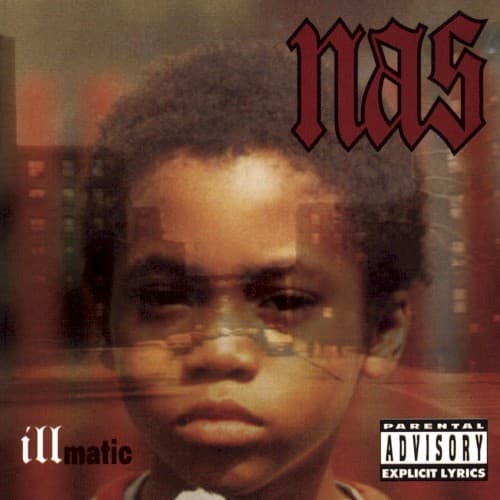
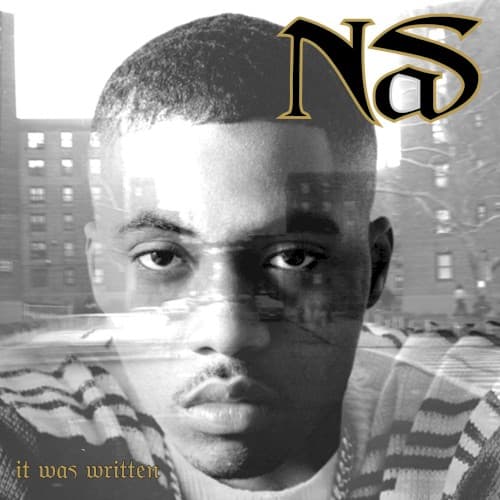
Following the consensus masterpiece that was Illmatic, Nas faced an impossible task with his 1996 sophomore effort It Was Written. The debut had established him as street poetry's most gifted narrator, a twenty-year-old whose observational precision and technical facility seemed to arrive fully formed. Two years later, Columbia expected commercial validation of that critical acclaim. What emerged was an album caught between artistic integrity and mainstream aspiration—a tension that defines both its strengths and its occasional missteps.
It Was Written represents Nas at a crossroads. The Trackmasters-helmed production pushes toward radio viability with shinier instrumentation and more structured hooks, a deliberate pivot from Illmatic's raw minimalism. Guest appearances multiply: Lauryn Hill, Foxy Brown, AZ, and Mobb Deep all claim space on an album that feels more collaborative than its hermetic predecessor. The thematic focus shifts too, from project hallways to penthouse fantasies, from observer to participant in the criminal narratives he once documented from safe distance.
This expansion brought commercial rewards—platinum certifications and genuine crossover hits—but divided purists who heard compromise where Nas heard evolution. Twenty-five years later, the album occupies complicated territory in his discography: neither the untouchable artistic statement of Illmatic nor the messy creative sprawl of later work, but something more interesting—a talented artist navigating the industry machine while retaining enough of his core vision to produce something substantial.
Polished Ambition Meets Street Authenticity
The production on It Was Written marks the album's most dramatic departure from Nas's debut. Where Illmatic thrived on dusty loops and minimalist arrangements, Trackmasters and their contemporaries construct more elaborate sonic architecture. The beats gleam with radio-ready polish—keyboards sparkle, basslines thump with programmed precision, and hooks arrive with commercial intent. This aesthetic shift mirrors mid-90s East Coast hip-hop's broader trajectory as labels sought crossover success without abandoning street credibility entirely.
Yet the production rarely feels like pure compromise. On "Take It in Blood," the ominous piano loop and minimal percussion create genuine menace despite their relative cleanness. The track breathes with negative space, allowing Nas room to construct vivid tableaux of violence and paranoia. Similarly, "I Gave You Power" employs a melancholic sample that complements rather than overshadows one of hip-hop's most inventive narrative conceits—telling a story from a gun's perspective. The Trackmasters understood that accessibility need not mean artistic bankruptcy.
Lyrically, Nas remains formidable even as his subject matter shifts toward materialism and mob fantasies. The technical prowess that made Illmatic essential survives intact: multisyllabic internal rhyme schemes, unexpected metaphors, and the kind of dense wordplay that rewards repeated listening. Lines arrive fully formed, complete thoughts compressed into bars that scan perfectly while conveying maximum information. When he raps about champagne wishes and criminal enterprise, the execution remains professional even when the content feels less urgent than Queensbridge survival narratives.
The album's thematic identity splits between street reportage and aspirational excess. Tracks like "Shootouts" and "Suspect" maintain the observational distance of Illmatic, documenting violence with journalistic detachment. But "Street Dreams" and the Lauryn Hill collaboration "If I Ruled the World (Imagine That)" reach for something bigger—commercial viability, certainly, but also a kind of utopian thinking absent from the debut's grim realism. This duality prevents It Was Written from achieving Illmatic's unified vision, but it also makes the album a more honest document of where Nas stood in 1996: hungry for success, aware of his gifts, and willing to adapt without completely abandoning his foundation.
The sequencing feels less deliberate than Illmatic's perfect flow. The album sprawls across sixteen tracks, and while none qualify as outright filler, the runtime dilutes impact. Momentum stalls in the middle section as posse cuts and narrative experiments accumulate without clear thematic progression. The decision to include "Street Dreams" twice—once as the original version, once as a remix—suggests either label interference or questionable judgment. Tighter editing would have strengthened the final product considerably.
Still, the album's ambitions deserve respect. Nas refused to simply recreate Illmatic's formula, understanding that artistic growth requires risk. The Firm collective hinted at here—AZ, Foxy Brown, and Cormega in various configurations—represented an attempt to build something larger than solo stardom. Not all experiments succeed, but the willingness to experiment distinguishes great artists from competent ones.
The Tracks That Justify the Hype
"I Gave You Power" stands as It Was Written's most audacious creative gesture. Nas adopts the voice of a firearm, tracing its journey from store shelf to street crime to evidence locker. The conceit could have been gimmicky, but Nas commits fully, imbuing the weapon with personality and perspective while maintaining the storytelling clarity that defines his best work. The gun experiences fear, pride, and ultimately obsolescence—a meditation on violence that avoids both glorification and heavy-handed moralizing. This is concept rap executed at the highest level, the kind of narrative innovation that justifies artistic reputation.
"The Message" announces the album's intentions immediately: sharper production, more confident delivery, and thematic scope beyond project hallways. Nas name-checks luxury brands and international locales while maintaining the observational acuity that made him essential. The track balances commercial appeal with lyrical substance, proving that accessibility and artistry need not conflict. It sets a template the album sometimes struggles to maintain but always aspires toward.
The Lauryn Hill collaboration "If I Ruled the World (Imagine That)" became It Was Written's biggest commercial success, and its appeal remains obvious. Hill's sung hook provides melodic relief from relentless bars, while Nas constructs an idealized vision of power without corruption, wealth without moral compromise. The track aims for anthem status and achieves it, offering the kind of uplift rare in mid-90s New York rap. Purists dismissed it as pandering, but the song's endurance suggests otherwise—sometimes reaching for broader audiences produces genuine art rather than calculated product.
A Flawed Bridge Between Eras
It Was Written will never escape Illmatic's shadow, nor should it try. The albums serve different purposes: one documented a moment of pure artistic vision, the other navigated the complications success brings. Judging this sophomore effort by the debut's standard misses the point—Nas was attempting something different here, and mostly succeeding on those terms.
The album's inconsistencies reflect honest creative tension rather than cynical calculation. Yes, the commercial concessions sometimes grate, and yes, tighter editing would have helped. But It Was Written contains enough genuine artistry to justify its reputation as a worthy follow-up to an impossible-to-follow album. Tracks like "I Gave You Power" and "Take It in Blood" rank among Nas's finest work, while even the more radio-friendly material maintains lyrical standards most rappers never approach.
In hip-hop's broader narrative, It Was Written represents a crucial pivot point—the moment when 90s New York rap began its shift from underground credibility toward mainstream domination. Nas made that transition with more grace than most, retaining enough street authenticity to satisfy purists while reaching audiences Illmatic never could. The album went double platinum and produced genuine hits without completely abandoning the artistic principles that made him matter. That balancing act, however imperfect, deserves recognition as its own kind of achievement.
Track Listing
Album Intro
The opening track establishes atmosphere with cinematic flair, employing dialogue snippets and ominous instrumentation to set the album's more expansive tone. Unlike Illmatic's stripped-down introduction, this prologue signals bigger budgets and broader ambitions. It positions what follows as event rather than intimate documentation, preparing listeners for the shift in scale and scope that defines the album's approach.
The Message
Nas arrives fully confident, his flow more muscular than Illmatic's observational stillness. The production gleams with mid-90s sheen—crisp drums, layered samples, and enough sonic detail to justify headphone listening. Thematically, the track surveys his expanded worldview: international references, luxury consumption, and the psychological weight of success. The technical execution remains impeccable, multisyllabic rhyme schemes deployed with casual mastery that makes difficult writing sound effortless.
Street Dreams
Built around an Eurythmics sample and radio-ready hook, this track exemplifies It Was Written's crossover strategy. Nas balances aspirational materialism with acknowledgment of its costs, constructing verses that work as both escapist fantasy and cautionary tale. The production polishes the edges without sanding away all grit, creating something that could soundtrack both club nights and introspective headphone sessions. Commercial appeal meets lyrical substance more successfully than critics initially acknowledged.
I Gave You Power
The album's creative peak arrives early as Nas adopts a firearm's perspective, tracing its journey through multiple owners and violent encounters. The narrative conceit never feels gimmicky because the execution stays grounded—the gun experiences fear, pride, power, and ultimately disposal. DJ Premier's production provides appropriately somber backdrop, minimal enough to foreground the storytelling while maintaining sonic interest. This is concept rap that transcends its concept through sheer commitment to the premise.
Watch Dem Niggas
The collaboration with Foxy Brown and AZ previews The Firm's chemistry, three distinct voices trading verses over paranoid production. The track explores trust issues and street politics, each MC approaching the theme from different angles while maintaining thematic cohesion. AZ matches Nas's technical facility bar for bar, while Foxy provides necessary tonal contrast. The chemistry feels genuine rather than label-manufactured, suggesting real artistic rapport among the collaborators.
Take It in Blood
Dark piano loops and minimal percussion create genuine menace as Nas constructs vivid violence tableaux with almost journalistic detachment. The production breathes with negative space, every element serving the mood rather than cluttering the sonic landscape. Lyrically, this represents Illmatic-quality street reportage—specific details accumulating into comprehensive atmosphere, violence presented without glorification or condemnation. The track proves Nas could still access his core artistic identity even amid the album's broader commercial ambitions.
Nas Is Coming
Dr. Dre's West Coast production aesthetic collides with Nas's New York sensibility on this collaboration, creating interesting tension between smoothed-out G-funk elements and street-level lyricism. The track feels like cultural bridge-building, East and West finding common ground during hip-hop's geographic divisions. Nas adjusts his delivery to ride Dre's beat without compromising his essential style, demonstrating adaptability that would serve him throughout his career.
Affirmative Action
The Firm convenes for a posse cut that works through sheer talent density—Nas, AZ, Foxy Brown, and Cormega trade verses over moody production that recalls Mobb Deep's claustrophobic aesthetic. Each MC brings distinct energy while maintaining thematic focus on criminal enterprise and street loyalty. The track hints at what The Firm's debut album might have achieved with better material and less label interference, capturing genuine chemistry among four talented artists operating at high level.
The Set Up
Nas constructs an elaborate narrative about romantic betrayal leading to robbery, the storytelling detailed enough to play as short film. The production supports the cinematic ambitions with dramatic flourishes, building tension through the verses toward inevitable violent resolution. This kind of narrative rap requires technical facility to maintain clarity while preserving artistic voice—Nas manages both, creating a complete short story that works as entertainment and craft demonstration simultaneously.
Black Girl Lost
Addressing young women navigating street life's dangers, Nas attempts social commentary with mixed results. The intentions read as genuine—real concern for the women caught in cycles of exploitation and limited options—but the execution sometimes slips into condescension. Still, the willingness to address the topic with empathy rather than pure male gaze deserves acknowledgment. The track occupies uncomfortable territory between consciousness and paternalism, more interesting for its ambition than its complete success.
Suspect
Paranoia permeates this mid-album track as Nas surveys his environment for potential threats, the production appropriately tense and claustrophobic. The lyrical content recalls Illmatic's observational clarity—specific details about street life's daily dangers, delivered without dramatization or embellishment. This represents the album's street authenticity baseline, proof that commercial ambitions hadn't completely overtaken the documentary impulse that made his debut essential. The track feels lived-in rather than constructed for effect.
Shootouts
Violence documentation arrives without glorification or moral handwringing, Nas simply reporting what he's witnessed with the precision that defines his best work. The production maintains appropriate grimness—no unnecessary flourishes, just drums and bass supporting the narrative. This kind of street reportage feels increasingly rare in contemporary hip-hop, the observational distance and refusal to editorialize marking a specific era's approach to crime documentation in rap music.
Live Nigga Rap
Mobb Deep's Havoc contributes production that recalls the duo's own aesthetic—minimalist, menacing, and perfectly calibrated for Nas's street narratives. The track reinforces It Was Written's New York credentials after the album's broader sonic palette occasionally ventured toward more universal hip-hop sounds. Thematically straightforward but executed with enough technical skill to justify its inclusion, this represents solid album craftsmanship if not necessarily standout material.
If I Ruled the World (Imagine That)
Lauryn Hill's sung hook transforms Nas's utopian fantasies into genuine anthem, the production lush enough to support crossover ambitions while maintaining hip-hop foundation. Nas constructs an idealized vision of power without corruption, imagining benevolent leadership and community uplift rather than pure materialism. The track became It Was Written's biggest commercial success, and its endurance speaks to genuine artistic achievement rather than calculated pandering. Sometimes reaching for broader audiences produces real art.
Silent Murder
The album's closing track returns to street-level menace, trading crossover appeal for grim determination. The production strips away commercial polish, creating sonic space for Nas to deliver threats and survival strategies with cold precision. After the album's various stylistic experiments and guest appearances, this feels like reassertion of core identity—reminder that beneath the commercial ambitions lives the Queensbridge MC who made Illmatic essential. The track provides necessary grounding after the album's more expansive moments.
Street Dreams
The remix version employs different production while maintaining the original's thematic focus on material aspiration and its psychological costs. Including both versions seems like label decision rather than artistic choice, the second iteration feeling somewhat redundant despite production variations. Still, the track's fundamental appeal survives—Nas balancing fantasy with reality, commercial hooks with lyrical substance. The remix works on its own terms even if its inclusion raises questions about sequencing judgment.