A Compton Coming-of-Age Cinematic Masterpiece
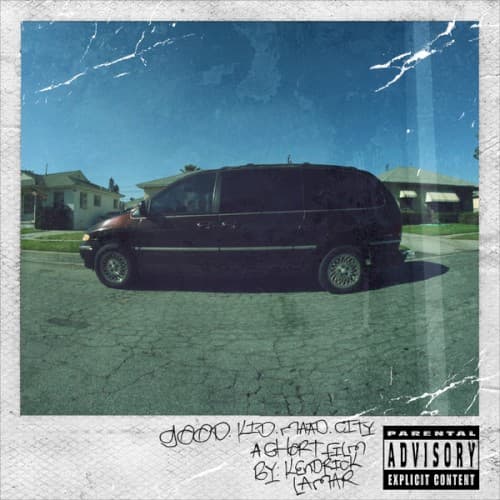
In the sprawling landscape of modern hip-hop, few albums have managed to bridge the gap between commercial appeal and artistic integrity quite like Kendrick Lamar's good kid, m.A.A.d city. Released in 2012 through Top Dawg Entertainment in partnership with Dr. Dre's Aftermath imprint, this cinematic masterpiece from Compton's most gifted storyteller redefined what a concept album could achieve in rap, weaving together vivid narratives of adolescence, peer pressure, and spiritual awakening against the unforgiving backdrop of South Central Los Angeles. Over a decade later, its influence reverberates through every corner of contemporary hip-hop, establishing the blueprint for narrative-driven rap albums that artists from J. Cole to JID continue to follow, cementing its place in Kendrick Lamar's discography.
Narrative Architecture and Production Brilliance
What makes good kid, m.A.A.d city extraordinary is its unwavering commitment to narrative structure—a coming-of-age story told with the temporal precision of a Martin Scorsese film and the emotional depth of a Toni Morrison novel. From the opening moments of 'Sherane,' Lamar drops us into a single day in Compton that unfolds with cinematic tension, using voicemail interludes from his parents as narrative anchors that ground the story in familial context. The production, helmed by an all-star team including Dr. Dre, Pharrell Williams, Just Blaze, Hit-Boy, Scoop DeVille, and T-Minus, provides a sonic canvas that shifts seamlessly from the minimalist menace of 'The Art of Peer Pressure' to the sun-drenched melancholy of 'Money Trees.' Lamar's technical prowess is on full display throughout—his ability to shift between conversational flows, rapid-fire delivery, and sung melodies gives each track its own distinct personality while maintaining the album's cohesive narrative arc. The album's genius lies in its duality: it functions both as a personal memoir and as a sociological examination of systemic forces shaping Black youth in America. Looking back from today's vantage point, GKMC stands as the moment when West Coast rap reclaimed its narrative ambition, bridging the gap between the street chronicles of N.W.A and the introspective artistry that would define 2010s hip-hop, achieving a storytelling coherence that rivals classics like Nas' Illmatic. Its commercial success—over five million copies sold and multiple platinum certifications—proved that audiences hungry for substance would embrace complexity without compromise.
From Beach House Samples to Twelve-Minute Epics
The album's centerpiece, 'Sing About Me, I'm Dying of Thirst,' stands as one of the greatest achievements in hip-hop history—a twelve-minute epic that shifts perspectives with novelistic precision, giving voice to the sister of a murdered friend, a sex worker facing mortality, and Lamar's own existential crisis before culminating in a baptismal transformation. The track's structure mirrors the album's larger arc: from violence to reflection to redemption. 'Money Trees' remains the album's most commercially potent moment, with TDE labelmate Jay Rock delivering an unforgettable hook over a haunting Beach House sample that producer DJ Dahi flipped into a west coast meditation on aspiration and survival. 'Backseat Freestyle' captures youthful bravado with such precision that its absurd boasts become a commentary on the very culture that produces them—Hit-Boy's trunk-rattling production provides the perfect canvas for Kendrick to embody the persona he's simultaneously critiquing. 'Swimming Pools (Drank)' achieved the rare feat of becoming a mainstream hit while subverting its own party anthem facade, its T-Minus production creating an intoxicating atmosphere that mirrors the alcoholism narrative at its core.
A Watershed Moment in Hip-Hop History
good kid, m.A.A.d city is not merely an excellent rap album—it is a watershed moment in the genre's history that permanently altered hip-hop's creative possibilities. Kendrick Lamar accomplished something that few artists in any genre achieve with a major-label debut: he created a work that is simultaneously deeply personal and universally resonant, technically masterful and emotionally devastating. More than a decade after its release, its impact only grows clearer. It paved the way for the experimental ambition of To Pimp a Butterfly, established the template for concept-driven rap that artists like Denzel Curry, Vince Staples, and Little Simz would build upon, and proved that West Coast hip-hop could reclaim its position as the genre's creative vanguard. The album earned Kendrick seven Grammy nominations and positioned him as rap's most vital new voice—a promise he would spectacularly fulfill in the years to come. This is a stone-cold classic that will be studied and celebrated for generations to come, a perfect synthesis of street authenticity, literary ambition, and sonic innovation that captured a specific time and place while speaking to universal human experiences.
Track Listing
Sherane a.k.a Master Splinter's Daughter
A perfect album opener that establishes the narrative framework with cinematic precision, Tae Beast's production setting the sun-soaked atmosphere as Kendrick recounts a teenage rendezvous that will spiral into the album's central conflict. The track introduces the voicemail interludes from his mother that will anchor the story throughout.
Bitch, Don't Kill My Vibe
A meditative counterpoint to the chaos, showcasing Kendrick's ability to create atmosphere over Sounwave's ethereal production. The original version featured a Lady Gaga collaboration that was later replaced, but this solo iteration captures the desire for creative sanctuary amidst external pressures with hypnotic repetition and tonal shifts that preview his later experimental work.
Backseat Freestyle
Raw, unfiltered teenage bravado performed with such conviction over Hit-Boy's menacing production that it becomes both celebration and critique. Kendrick embodies the hypermasculine fantasy of rap stardom so completely that the performance itself becomes commentary on the psychological armor young men construct to survive hostile environments.
The Art of Peer Pressure
Perhaps the album's most underrated track, built on a Tangerine Dream sample that Tabu and Sounwave transform into minimalist menace. Kendrick's whispered delivery perfectly captures the seductive pull of group mentality as the narrative descends into criminality, his passive voice construction—'we'—emphasizing the dissolution of individual agency under peer influence.
Money Trees
The breakout single pairs a haunting Beach House sample with Jay Rock's iconic hook and surgical lyrical precision. DJ Dahi's production strips the dream-pop source material down to its melancholic essence, creating the perfect backdrop for meditations on poverty, aspiration, and the moral compromises survival demands. The track became a cultural touchstone, soundtracking countless films and TV shows.
Poetic Justice
A Janet Jackson-sampling love letter that provides necessary emotional contrast within the narrative arc, with Drake's appearance adding commercial weight. The track's placement serves as a breather before the story's darkest turns, demonstrating Kendrick's understanding of album pacing and emotional dynamics.
good kid
The title track strips everything back over Pharrell's deceptively simple production, revealing the vulnerability beneath the bravado as Kendrick pleads for recognition of his essential goodness despite environmental pressures. MC Eiht's appearance bridges generational divides, connecting Kendrick's story to Compton's larger historical narrative.
m.A.A.d city
The narrative's darkest chapter, with MC Eiht's appearance bridging generations of Compton rap history—a direct link to the early 90s era of Compton's Most Wanted. The track's two-part structure mirrors the album's duality: Sounwave and THC's ominous first half captures paranoid aggression, while the frenetic second half produced by Sounwave and Like portrays the chaos of gang violence with documentary immediacy.
Swimming Pools (Drank)
Brilliantly subversive—sounds like a party anthem but is actually a meditation on alcoholism and cultural pressure. T-Minus crafts production that feels simultaneously celebratory and ominous, while Kendrick's multiple vocal personas represent the competing voices in an addict's head. The track became his biggest hit at the time, proving mainstream audiences would embrace complexity disguised as accessibility.
Sing About Me, I'm Dying of Thirst
A twelve-minute masterpiece that stands among hip-hop's greatest extended compositions. The first section's perspective shifts are breathtaking—voicing the sister of his murdered friend from Section.80's 'Keisha's Song,' then a dying gang member, then his own existential crisis—all over Sounwave and Tae Beast's spare, mournful production. The second half's spiritual resolution, featuring the literal baptism that transforms the narrative, is genuinely moving, anchored by vocals from Kendrick's sister and mother that ground the redemption in familial love.
Real
A quieter moment addressing authenticity and self-worth over Tae Beast's intentionally raw production, with an emotionally direct sung hook from Anna Wise that strips away technical virtuosity in favor of vulnerable honesty. The song's message about love being more valuable than material success provides thematic resolution to the money-focused struggles earlier in the album.
Compton
Dr. Dre's triumphant production provides a fitting finale—a declaration of survival and purpose that connects Kendrick to West Coast hip-hop's legacy while asserting his own distinct identity. Just Blaze's co-production adds a triumphant sheen as Kendrick emerges from the narrative transformed, having survived the trials documented across the preceding tracks to claim his place in rap history.