When Kendrick Lamar Chose Revolution Over Radio
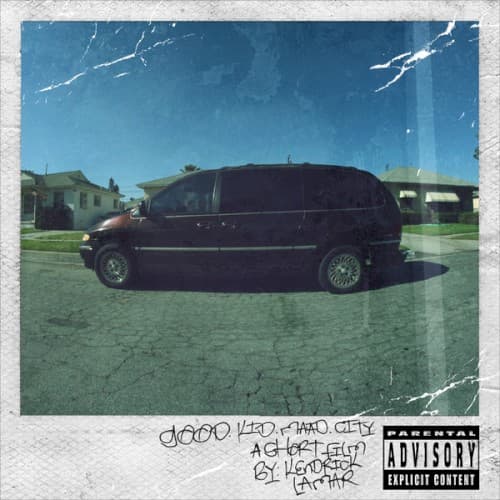
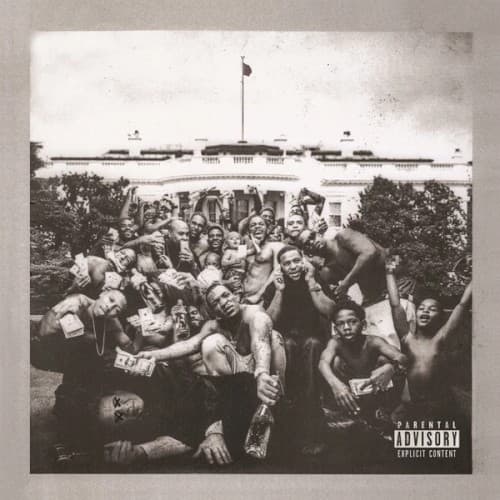
When Kendrick Lamar released To Pimp a Butterfly on March 16, 2015, he had every commercial incentive to play it safe. His previous album, good kid, m.A.A.d city, had established him as rap's most compelling storyteller, moving over a million copies and earning universal acclaim without sacrificing mainstream appeal. Instead, Lamar delivered a sprawling, jazz-infused confrontation with Black identity, systemic oppression, and celebrity guilt that sounded nothing like contemporary radio rap. Produced primarily by a collective including Sounwave, Terrace Martin, and Thundercat, the album abandoned the West Coast G-funk aesthetic that defined his breakthrough for a live-band approach rooted in P-Funk, free jazz, and spoken word poetry.
The risk paid off in ways that transcended commercial metrics. To Pimp a Butterfly became the cultural document of the Black Lives Matter era, with tracks like "Alright" transforming into protest anthems while the album itself sparked academic discourse on racial capitalism and internalized trauma. What separates this project from other politically conscious rap is Lamar's willingness to implicate himself in the systems he critiques. Rather than positioning himself as an enlightened observer, he exposes his own complicity, contradictions, and near-destruction with uncomfortable honesty. The result feels less like a traditional album and more like a 79-minute spiritual reckoning set to some of the most adventurous production in mainstream rap history.
Three years removed from the Compton streets he documented so vividly on good kid, m.A.A.d city, Lamar had achieved the success he once dreamed about, only to discover that wealth and fame couldn't resolve the psychological warfare of being Black in America. That tension—between external validation and internal crisis—powers every moment of To Pimp a Butterfly, making it simultaneously his most triumphant and most tormented work.
Sonic Architecture as Political Statement
The production on To Pimp a Butterfly represents a deliberate rejection of hip-hop's commercial sound in 2015. While peers chased the trap-influenced minimalism dominating Atlanta or the atmospheric Drake-ification of rap, Lamar and his core team constructed a maximalist soundscape that referenced Parliament-Funkadelic, Miles Davis, and the Watts Prophets more readily than contemporary rap. Terrace Martin's saxophone work weaves through tracks like "For Free?" and "These Walls," not as decorative flourish but as narrative voice, conversing with Lamar's rapid-fire delivery. Thundercat's bass lines provide elastic funk foundations that allow songs to breathe and stretch beyond typical verse-chorus structures. This isn't background music for passive consumption—it demands active listening, rewarding those who sit with its complexity.
What makes the album's sonic palette so effective is how the production mirrors Lamar's psychological states. The lush, seductive groove of "These Walls" wraps around a narrative about sex as weapon and metaphor, the musicality contrasting with the darkness underneath. When Lamar reaches his emotional nadir on "u," the instrumentation nearly collapses, leaving raw vocal anguish over minimal keys and bass. Then "Alright" emerges with Pharrell-assisted uplift that somehow avoids empty platitudes, its free jazz horns suggesting struggle continues even in moments of hope. The sequencing isn't random—it maps a journey from seduction to self-destruction to tentative redemption.
Lyrically, Lamar operates on multiple levels simultaneously. Surface-level narratives about Compton life, hotel rooms, and industry politics carry deeper allegorical weight about institutionalized racism, respectability politics, and the psychological cost of code-switching. On "The Blacker the Berry," he delivers one of rap's most unflinching examinations of internalized anti-Blackness and the contradictions within activist rhetoric, building to the devastating admission about his own complicity in Black-on-Black violence. The track intentionally makes listeners uncomfortable, refusing easy answers or moral superiority. This willingness to problematize himself distinguishes Lamar from artists who position consciousness as a badge of honor rather than an ongoing struggle.
The album's conceptual ambition extends to its framing device: an extended conversation with Tupac Shakur that Lamar constructs through archival interview clips. Rather than simply name-checking a legend for credibility, Lamar grapples with Pac's legacy and its implications for his own position. The final track, "Mortal Man," builds this dialogue into a meditation on leadership, loyalty, and whether fame inevitably corrupts revolutionary intent. It's a gutsy structural choice that could have felt gimmicky but instead grounds the album's abstract themes in hip-hop lineage and the specific burden of being anointed the genre's savior.
What prevents To Pimp a Butterfly from collapsing under its own weight is Lamar's technical mastery. His vocal performances shift between conversational ease, percussive staccato bursts, sung melodies, and shouted desperation, often within single tracks. He embodies different characters, adopts conflicting perspectives, and switches cadences to match the production's rhythmic complexity. On "Hood Politics," he rides a P-Funk groove with playful aggression, name-checking Compton neighborhoods while dismantling the politics of authenticity. The dexterity required to navigate these beats while maintaining narrative coherence across 79 minutes is staggering, yet Lamar makes it sound natural rather than showy.
The album also functions as commentary on the music industry's commodification of Black pain and talent. "Wesley's Theory" opens with a dystopian vision of success as exploitation, featuring George Clinton and Dr. Dre in a cautionary tale about financial predation masked as opportunity. The Uncle Sam character promising wealth if Lamar "just" sells out echoes centuries of extractive relationships between Black artists and white-controlled institutions. This critique continues through "For Sale?," where Lucy (Lucifer, representing temptation and America itself) offers everything Lamar desires in exchange for his soul. These aren't subtle metaphors—Lamar makes the capitalist bargain explicit, forcing listeners to consider how consumption of Black art perpetuates the systems being critiqued.
The Tracks That Define a Generation
"Alright" became the album's cultural flashpoint for reasons beyond its undeniable musicality. Pharrell's production balances free jazz chaos with an irresistibly propulsive rhythm, while Lamar's hook—"We gon' be alright"—struck the perfect tone of defiant hope amid ongoing police violence. When protesters chanted it in streets from Ferguson to Baltimore, the song transcended its album context to become a generational statement of resilience. What makes it work beyond the anthemic moment is Lamar's refusal to offer false comfort. The verses detail police brutality, systemic poverty, and psychological trauma before reaching that hopeful hook, acknowledging pain as the price of survival rather than dismissing it.
"u" stands as one of the rawest moments in mainstream rap history. Lamar's performance sounds genuinely unhinged—screaming at himself in a hotel room, drowning in survivor's guilt and self-loathing, confronting his inability to save friends and family despite newfound wealth. The production strips away all the jazz sophistication of surrounding tracks, leaving Lamar naked over sparse instrumentation. It's nearly unbearable to hear him spiral, voice cracking as he catalogs his failures and questions his worth. Placing this emotional breakdown at the album's center was a bold structural choice, the nadir before any redemption becomes possible. Few artists at Lamar's commercial level would risk this level of vulnerability.
"The Blacker the Berry" offers the album's angriest moment, built on Boi-1da's menacing production and Lamar's most confrontational lyrics. He addresses white appropriation of Black culture, respectability politics, and his own contradictions with equal fury, culminating in the line "So why did I weep when Trayvon Martin was in the street when gang-banging make me kill a brother blacker than me?" The question implicates Lamar in the cycles of violence he elsewhere condemns, refusing to claim moral high ground. It's deliberately provocative, designed to spark uncomfortable conversations about intra-community violence and how activism sometimes ignores internal contradictions. The track generated significant debate upon release, which was precisely Lamar's intent—art as catalyst for difficult dialogue.
A Landmark That Redefined Mainstream Ambition
To Pimp a Butterfly doesn't have meaningful weaknesses so much as deliberate provocations that some listeners experience as barriers to entry. The album's length, jazz-heavy production, and thematic density require patience that streaming-era consumption habits often discourage. This isn't background music or easy listening—it demands engagement and rewards repeated study. Some will find the conceptual framework pretentious or the social commentary heavy-handed, but these criticisms miss the point. Lamar wasn't trying to make an accessible follow-up to good kid, m.A.A.d city; he was documenting a psychological and political awakening that couldn't be contained in radio-friendly formats.
What the album accomplishes is remarkable by any measure. It proved that mainstream rap audiences would embrace complexity if the artistry justified it, debuting at number one and eventually going platinum despite sounding nothing like commercial rap in 2015. It elevated the conversation around what popular music could address, making space for Solange's A Seat at the Table, Beyoncé's Lemonade, and countless other artists who saw Lamar's commercial success as permission to prioritize artistic vision over marketability. The album won a Pulitzer Prize for Music in 2018—the first non-classical or jazz work to receive the honor—validating its cultural significance beyond hip-hop circles.
To Pimp a Butterfly stands as the decade's most important rap album not because of any single element but because of how it synthesized artistic ambition, political urgency, and commercial viability in ways that seemed impossible before its release. Lamar took the platform good kid, m.A.A.d city provided and used it to create something genuinely challenging, trusting his audience to meet him at that level. Nearly a decade later, the album hasn't aged or become dated—if anything, its critiques of systemic racism, celebrity culture, and American capitalism feel more relevant as those systems continue operating largely unchanged. This is what generational artistic statements sound like: uncomfortable, necessary, and undeniable.
Track Listing
Wesley's Theory
▲Opening with Boris Gardiner's "Every N-word Is a Star" immediately signals Lamar's thematic intent before the beat even drops. George Clinton's voice welcomes Kendrick to the industry's financial trap, while Dr. Dre's brief appearance adds West Coast credibility to the cautionary tale. The production—handled by Flying Lotus, Flippa, and Sounwave—builds a dystopian funk landscape where success equals exploitation. Lamar's verses detail the seduction of wealth and how quickly the industry extracts value from Black talent, setting up the album's central tension between external success and internal crisis. The Uncle Sam character's promises of riches in exchange for selling out echoes centuries of extractive relationships between Black artists and predominantly white industry gatekeepers.
For Free? (interlude)
▲This two-minute explosion of fury showcases Terrace Martin's saxophone work at its most aggressive, creating a free jazz soundscape that mirrors Lamar's unhinged vocal performance. He adopts the voice of a man being berated by a materialistic woman, but the subtext operates on multiple levels—critiquing both transactional relationships and America's commodification of Black bodies. Lamar's rapid-fire delivery pushes the boundaries of technical skill, cramming syllables into impossible spaces while maintaining clarity and rhythm. The interlude format allows for maximum experimentation without requiring radio-friendly structure, resulting in one of the album's most abrasive and thrilling moments. It's deliberately uncomfortable, refusing listeners any easy entry point.
King Kunta
▲The album's most obviously funky moment samples Mausberg, The Sugarhill Gang, and James Brown while Sounwave constructs a Parliament-inspired groove that nods to Lamar's Compton roots. The track addresses industry politics, cultural appropriation, and Lamar's position as a new generation's leader, all wrapped in enough rhythmic bounce to work as a single. Lines about wanting his Lucy—the metaphorical devil character representing America—and references to getting "giddy up" suggest the exploitation underlying even his triumphant moments. The breakdown near the end, with crowd chants and bass drops, evokes both Funkadelic's live energy and hip-hop's block party origins. It's one of few tracks accessible enough for casual listeners while maintaining the album's thematic coherence.
Institutionalized
▲Bilal's hook about being "trapped inside" establishes the song's examination of how systemic oppression becomes internalized, limiting imagination even when physical constraints disappear. Snoop Dogg's feature adds generational weight, his laid-back delivery contrasting with Lamar's intensity as both explore how poverty, violence, and limited options become normalized. The production by Rahki, Tommy Black, and Taz Arnold creates a hazy, almost psychedelic atmosphere that mirrors the mental imprisonment being discussed. Lamar's narrative about taking friends to an awards show—where they plot a robbery despite newfound access to wealth—illustrates how institutional trauma can't be escaped through individual success. The track works as both personal confession and sociological commentary.
These Walls
▲Bilal, Anna Wise, and Thundercat contribute to this deceptively smooth seduction, where lush musicality masks one of the album's darkest narratives. The "walls" operate as triple metaphor: a woman's body, prison cells, and the psychological barriers Lamar erects. Terrace Martin's saxophone work here is sensual rather than aggressive, matching production by Larrance Dopson, Taz Arnold, and Sounwave that could pass for neo-soul if divorced from Lamar's verses. The reveal that he's sleeping with an incarcerated enemy's girlfriend as revenge adds moral complexity—Lamar implicates himself in the cycles of retaliation and objectification he elsewhere condemns. The contrast between the gorgeous instrumentation and the ugliness underneath creates productive tension, forcing listeners to reconcile beauty with cruelty.
u
▲The album's emotional nadir strips away all jazz sophistication, leaving Lamar alone with his demons in a hotel room. His vocal performance sounds genuinely anguished—screaming at himself, voice cracking, barely maintaining control as he catalogs failures and survivor's guilt. The minimalist production allows every raw emotion to land without distraction, making it nearly unbearable to hear Kendrick spiral into self-hatred. He confesses his inability to save friends from violence or family members from addiction despite newfound wealth and influence, questioning whether success means anything when those he loves continue suffering. Placing this breakdown at the album's center was structurally bold, the nadir required before redemption becomes possible. Few mainstream artists would risk this level of vulnerability.
Alright
▲Pharrell's production balances free jazz horns with an irresistibly propulsive rhythm, creating the album's most anthemic moment without sacrificing complexity. The hook—"We gon' be alright"—struck perfect tonal balance between defiant hope and acknowledgment of ongoing struggle, which is why protesters adopted it during Black Lives Matter demonstrations. Lamar's verses detail police brutality, poverty, and trauma before reaching that hopeful refrain, refusing to offer false comfort or dismiss pain. The track's cultural impact extended far beyond the album, becoming a generational statement of Black resilience. What prevents it from becoming empty uplift is Lamar's insistence on documenting specific suffering before affirming survival, making the hope earned rather than given.
For Sale? (interlude)
▲The Lucy character—representing both Lucifer and America—returns with seductive offers of everything Lamar desires in exchange for his soul. The production creates a sinister, whispered atmosphere where temptation sounds almost reasonable, mirroring how systemic exploitation presents itself as opportunity. Lamar voices both himself and Lucy, dramatizing the internal negotiation between artistic integrity and commercial compromise. The interlude format again allows experimentation, with the conversation structure breaking from traditional songwriting. It deepens the album's conceptual framework about capitalism's corrupting influence on Black creativity, making explicit what other tracks suggest metaphorically. The brevity keeps it from becoming heavy-handed while advancing the narrative arc.
Momma
▲Lamar returns to Compton metaphorically and literally, exploring how his relationship with home has changed since achieving fame. The production by Sounwave, Tae Beast, and Flippa incorporates Lalomie Washburn's vocals and creates a contemplative soundscape for Lamar's reflections on authenticity and belonging. He questions whether success has alienated him from the streets that shaped him, whether he can still claim Compton when his lived reality has diverged so dramatically from those still struggling there. The track examines imposter syndrome and the psychological cost of upward mobility within communities that often view success with suspicion. It's one of the album's most introspective moments, Lamar working through questions without neat resolutions.
Hood Politics
▲Over a Taz Arnold and Sounwave-produced P-Funk groove, Lamar dismantles respectability politics and the authenticity debates that plague conscious rap. He name-checks Compton neighborhoods while critiquing both street mentality and the artists who pander to it from safe distance, refusing to claim moral superiority over either position. The playful aggression in his delivery contrasts with the serious critique, making the track work as both banger and commentary. Lamar's technical skill shines as he navigates the funky production with shifting cadences and percussive flows, proving he can outrap anyone while simultaneously questioning why technical dominance matters. The track positions him between worlds—too successful to fully claim the streets, too rooted in Compton to abandon them.
How Much a Dollar Cost
▲This track presents a parable about Lamar encountering a homeless man in South Africa, refusing him money, only to discover the man was God testing his compassion. The narrative, built on production by Terrace Martin, Taz Arnold, Sounwave, and LoveDragon, explores how wealth corrupts basic human decency and how success can blind one to suffering. James Fauntleroy and Ronald Isley's contributions enhance the spiritual atmosphere as Lamar confronts his own hypocrisy—preaching uplift while withholding help when it's most needed. The reveal carries Old Testament weight, positioning charity not as virtue-signaling but as fundamental moral obligation. It's one of the album's most direct moral reckonings, Lamar judging himself and finding his actions wanting.
Complexion (A Zulu Love)
▲Rapsody joins Lamar for an exploration of colorism within Black communities, addressing skin-tone hierarchies and the internalized anti-Blackness they perpetuate. The production by Sounwave, Tae Beast, Flippa, and Taz Arnold provides a mid-tempo groove that allows both rappers space to examine how beauty standards rooted in white supremacy poison intra-community relationships. Pete Rock's contribution to the beat adds golden-era credibility to the conscious messaging. Lamar and Rapsody celebrate dark skin directly, countering centuries of conditioning that equates lightness with beauty and worth. The track functions as both love letter and political statement, personal affirmation and systemic critique simultaneously. It's one of the album's most focused thematic explorations.
The Blacker the Berry
▲Boi-1da's menacing production provides the foundation for Lamar's angriest track, where he addresses white appropriation, respectability politics, and his own contradictions with equal fury. The outro—"So why did I weep when Trayvon Martin was in the street when gang-banging make me kill a brother blacker than me?"—generated significant controversy by implicating Lamar in the cycles of violence he condemns elsewhere. He refuses moral high ground, instead forcing listeners to grapple with intra-community violence and how activism sometimes ignores internal contradictions. The track is deliberately provocative, designed to spark uncomfortable dialogue rather than offer easy answers. Assassin's dancehall-influenced feature adds global perspective to American anti-Blackness, connecting struggles across diasporas.
You Ain't Gotta Lie (Momma Said)
▲This track addresses the code-switching and performative identity many adopt when returning to old neighborhoods after achieving success. The production creates a lighter, almost playful atmosphere compared to surrounding heaviness, matching Lamar's observations about friends fronting wealth they don't have or toughness they've outgrown. He approaches the subject with empathy rather than judgment, understanding the psychological pressure to maintain street credibility even when circumstances have changed. The repetition of "You ain't gotta lie to kick it" becomes both reassurance and gentle callout, Lamar offering permission to be authentic while acknowledging how difficult authenticity becomes. It's a palate cleanser before the album's final movements, breathing room amid intensity.
i
▲The album version of "i" differs significantly from the radio single, incorporating crowd noise and an extended spoken-word outro where Lamar breaks down the word's etymology and reclaims it as self-love. The production maintains the Isley Brothers sample but adds live-band energy that matches the album's jazz aesthetic. What could have been simple uplift becomes complex when contextualized within the album's arc—Lamar had to descend into "u" before climbing to "i," suggesting self-love isn't natural state but hard-won achievement. The track functions as thesis statement for survival through self-affirmation, though its placement near the end rather than as triumphant closer complicates the narrative. The message feels earned rather than given.
Mortal Man
▲The album's 12-minute closer builds toward Lamar's constructed conversation with Tupac Shakur, using archival interview clips to create a dialogue about leadership, loyalty, and legacy. Lamar recites a poem that's been building throughout the album, revealing the caterpillar-to-butterfly metaphor that gives the project its title. The Tupac exchange allows Lamar to grapple with his own position as anointed savior of hip-hop, questioning whether fame inevitably corrupts revolutionary intent or whether leadership requires accepting that mantle despite its dangers. The track could have felt gimmicky but instead provides profound closure, connecting Lamar's struggles to hip-hop's unresolved tensions about commercialism and consciousness. It leaves listeners with questions rather than answers, which feels appropriate for an album rejecting easy resolution.