From Compton Streets to Hip-Hop Mount Rushmore: Kendrick Lamar's Ascent
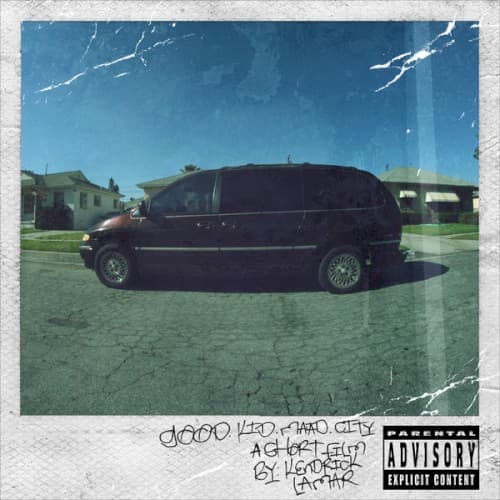
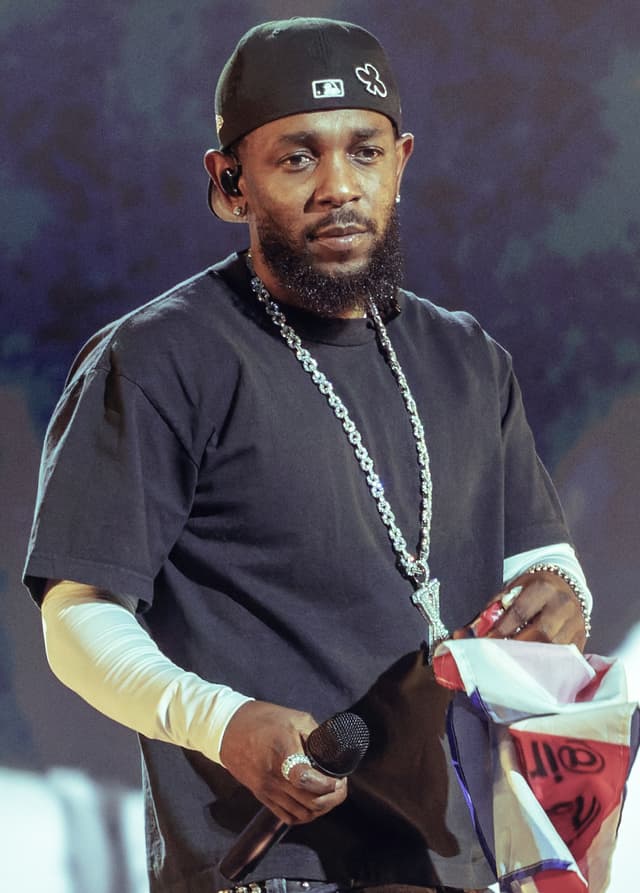
Kendrick Lamar emerged from Compton's Section 80 with something hip-hop hadn't quite heard before — the narrative precision of a short story writer married to the vocal dexterity of a jazz musician, all delivered with the moral urgency of a prophet surveying his surroundings. By the time good kid, m.A.A.d city arrived in 2012, it was clear that West Coast hip-hop had found not just another gifted MC, but a generational architect capable of building albums as cohesive artistic statements rather than collections of singles. His voice — switching from nasal intensity to baritone authority to panicked yelps — became an instrument as expressive as the bass lines and piano runs threading through his productions.
What separates Kendrick Lamar's discography from his contemporaries is the sheer ambition of scope. Where others chase hits, he constructs concept albums that function as both personal memoir and sociological examination. His Compton upbringing provides the foundation, but the structures he builds reach far beyond geographical boundaries. Theklarendrick-lamar canon encompasses gang violence and survivor's guilt, systemic oppression and self-destruction, Black excellence and communal trauma. He operates simultaneously as journalist, poet, and conscience, never satisfied with easy answers or comfortable positions. This restlessness — sonic, thematic, philosophical — defines his approach.
Vocal Shapeshifting and Jazz-Inflected Production: Kendrick's Sonic Identity
Kendrick Lamar's voice is his primary production tool, morphing across registers and characters with theatrical precision. Listen to how he inhabits different personas within single tracks — the paranoid whisper giving way to aggressive bark, the sung melody collapsing into rapid-fire syllables. This vocal flexibility allows him to build narrative depth without relying solely on lyrical content. On good kid, m.A.A.d city, he voices his younger self, his parents, his friends, and his enemies, creating a cast of characters through tonal shifts and rhythmic adjustments. The technique isn't gimmickry but dramatization, turning tracks into miniature plays where the same actor performs every role.
Production-wise, Kendrick gravitates toward live instrumentation and jazz-influenced arrangements that give his albums breathing room and textural complexity. Working extensively with producers like Sounwave, Digi+Phonics, and Terrace Martin, he's built a signature sound that pulls from Parliament-Funkadelic's cosmic funk, Flying Lotus's electronic abstraction, and the smoky intimacy of West Coast G-funk without directly replicating any of them. Bass lines move like conversations, piano chords hang suspended in space, and drums shuffle and stutter rather than simply bang. This production aesthetic — warm, layered, rhythmically unpredictable — creates the perfect canvas for his vocal experiments. Even when the subject matter turns dark, the music maintains richness and depth, refusing the sonic claustrophobia that trap-influenced beats might impose.
The Section 80 Underground to Pulitzer Prize: Tracing Kendrick's Trajectory
Before major label validation, Kendrick Lamar spent years as K.Dot, releasing mixtapes and building credibility within Compton's Hip Hop community. His 2011 independent album Section.80 announced serious intent — a concept album addressing children born in the 1980s, Reagan-era babies navigating the aftermath of crack cocaine and gang warfare. The project caught Dr. Dre's attention, leading to a partnership with Aftermath Entertainment and Interscope Records. Suddenly, the underground technician had infrastructure, but rather than chase commercial accessibility, he doubled down on complexity.
good kid, m.A.A.d city arrived in October 2012 as a cinematic autobiography, following a teenage Kendrick through a single day in Compton. The album played like a film score, complete with skits, voicemails, and narrative through-lines connecting each track. Songs like "Swimming Pools (Drank)" and "Poetic Justice" received radio play, but the project demanded full-album listening to grasp its complete architecture. Critics immediately recognized the ambition — this wasn't just another strong rap album but a fully realized artistic statement comparable to classic concept albums across genres. The commercial success (multiple platinum certifications, Grammy nominations) proved audiences would embrace complexity if the execution justified the demands.
Two years later, To Pimp a Butterfly exploded expectations entirely. Trading West Coast bounce for avant-garde jazz fusion, funk workouts, and spoken word poetry, Kendrick delivered what many consider his masterpiece — a sprawling meditation on fame, Blackness, depression, and systemic violence. Kamasi Washington's saxophone wails, Thundercat's bass grooves, and George Clinton's voice all contributed to a maximalist sonic palette that felt simultaneously retro and futuristic. "Alright" became a protest anthem during the Black Lives Matter movement, its chorus chanted at demonstrations nationwide. The album earned eleven Grammy nominations and cemented Kendrick's position as hip-hop's most critically acclaimed active artist.
DAMN., released in 2017, streamlined the approach without sacrificing depth. More accessible than Butterfly but equally conceptual, the album could be played forward or backward to reveal different thematic arcs. "HUMBLE." dominated radio and streaming, giving Kendrick his biggest commercial hit while maintaining lyrical substance. The project won the Pulitzer Prize for Music — the first non-classical or jazz work to receive the honor — marking an unprecedented institutional recognition of hip-hop's artistic legitimacy. After DAMN., Kendrick largely withdrew from public visibility, occasionally surfacing for high-profile collaborations but maintaining silence about new solo work. When Mr. Morale & The Big Steppers finally arrived in 2022 after a five-year gap, it revealed an artist grappling with therapy, generational trauma, and the burden of being positioned as a savior figure. The reception proved more divided than previous releases, suggesting Kendrick had pushed his audience to uncomfortable places — which seemed precisely the point.
Cultural Weight and Artistic Influence: Kendrick's Lasting Impact
Kendrick Lamar shifted the center of gravity in mainstream hip-hop. Before his ascent, concept albums and jazz influences occupied niche territory — respected but rarely dominating commercial conversations. His success proved audiences would embrace challenging work if the artistry justified the investment. An entire generation of rappers now construct narrative albums, employ live instrumentation, and prioritize thematic coherence over playlist fodder. Artists like J. Cole, Joey Bada$$, and Vince Staples all operate in a landscape Kendrick helped reshape, where artistic ambition and commercial viability aren't mutually exclusive.
Beyond sonic influence, Kendrick became hip-hop's most visible moral voice during a turbulent decade. "Alright" functioning as protest soundtrack wasn't accidental — his work consistently grapples with structural racism, police violence, and Black resilience. Yet he avoids easy sloganeering or comfortable positions, instead exploring contradictions and complicity. This intellectual honesty, combined with technical excellence, earned him respect across cultural boundaries. He's as likely to be discussed in academic journals as on rap blogs, quoted by scholars and street corners alike. The Pulitzer Prize legitimized hip-hop in spaces that previously dismissed the genre, opening doors for institutional recognition that extends beyond Kendrick himself.
His catalog now stands alongside hip-hop's untouchable classics. good kid, m.A.A.d city belongs in conversations with Illmatic and The Chronic, To Pimp a Butterfly with albums that transcended genre boundaries entirely. Whether he releases another album or not, the body of work already completed guarantees permanent residence in hip-hop's upper echelon. The question isn't whether Kendrick Lamar matters — it's whether any current rapper carries comparable cultural weight and artistic vision. So far, the answer remains elusive.