Cole's Strategic Counter-Programming and the Battle for Hip-Hop's Soul
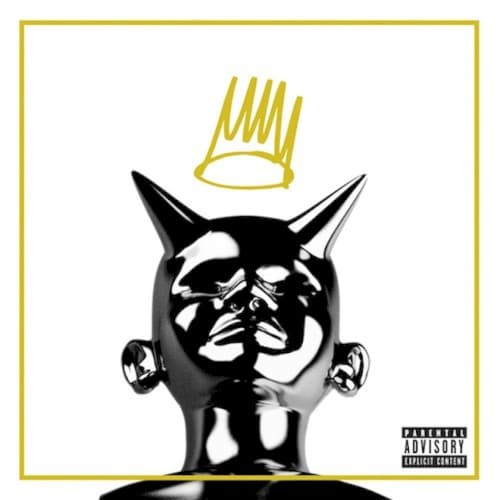
June 18, 2013 delivered one of hip-hop's most symbolic release date collisions: J. Cole's Born Sinner arrived the same day as Kanye West's Yeezus, forcing a choice between introspective lyricism and radical sonic experimentation. Born Sinner represents Cole's deliberate pivot toward substance, layering his North Carolina perspective over soul-drenched production that recalls golden-era boom-bap while maintaining contemporary relevance. The album title itself positions Cole as wrestling with his contradictions—ambition versus humility, success versus authenticity, commercial viability versus artistic integrity.
Cole operates as primary producer across much of Born Sinner, crafting a sonic identity rooted in vintage sampling, analog warmth, and melodic sensibility. The approach deliberately counters trap's dominance in 2013, anchoring the project in tradition while exploring modern themes of celebrity, sexual politics, and legacy anxiety. Elite Eight Entertainment served as Cole's production alias for the bulk of these tracks, with strategic assists from notable hands including The Neptunes and Syience.
This sophomore effort arrives with heightened expectations after Cole World's commercial breakthrough. Born Sinner sees Cole expanding his technical palette—more complex rhyme architecture, tighter pocket control, and refined storytelling mechanics. The 21-track runtime reflects artistic confidence, though it also tests editing discipline. Cole isn't chasing trends; he's building a cathedral while others construct temporary structures.
Lyrical Architecture and the Craft of Self-Interrogation
Cole constructs verses with meticulous attention to internal rhyme density and syllabic patterns. On "Villuminati," he deploys cascading multisyllabic schemes over a menacing, bass-heavy knock, opening with lines that stack internal rhymes across every measure. His flow switches between rapid-fire triplet patterns and deliberate half-time phrasing, demonstrating pocket awareness that serves the aggression. The track functions as an anti-Illuminati conspiracy thesis, but more importantly as a technical showcase—Cole matching Nas-level density while maintaining conversational clarity.
The album's soul sampling creates a foundation for Cole's vocal approach. "Forbidden Fruit" interpolates "The Morning After" by Ronnie Foster, transforming the jazz-funk original into a meditation on forbidden desire, with Kendrick Lamar providing a perfectly matched guest verse. Cole's delivery here emphasizes melodic phrasing over rapid-fire technique, riding the pocket with relaxed confidence. His breath control allows extended phrases without gasping for air, a technical detail that maintains the track's smooth atmosphere. When he shifts into sung hooks—as on "Power Trip" featuring Miguel—the melodicism feels earned rather than forced, his limited range compensated by phrasing intelligence.
"Crooked Smile" featuring TLC exemplifies Cole's structural approach to song construction. The verse-chorus architecture feels traditional, but Cole manipulates the formula through extended verses that refuse to settle into predictable bar counts. He'll deliver 20 bars where convention demands 16, then cut a section short at 12, creating rhythmic unpredictability. The hook's simplicity—built around self-acceptance and imperfection—provides emotional resolution while allowing the verses to carry technical weight. This balance between accessible hooks and dense verses defines Born Sinner's commercial-artistic tightrope walk.
Production choices directly influence vocal performance across the album. The dusty drums and piano loops on "Let Nas Down" create space for introspective delivery, Cole's voice mixed prominently but without excessive processing. He avoids the over-compressed vocal sheen dominating 2013 radio, instead opting for a dry, present sound that emphasizes lyrical content. When he incorporates ad-libs—less frequent than his peers—they function as punctuation rather than crutch, reinforcing rather than distracting from the primary vocal.
Flow variation keeps Born Sinner's extended runtime engaging. Cole refuses to settle into a single cadence pocket, instead treating each track as requiring specific rhythmic solutions. "Land of the Snakes" features choppy, staccato delivery over a sinister Rhodes loop, while "Runaway" employs legato phrasing that stretches syllables across beat subdivisions. This technical diversity prevents monotony, though occasionally Cole's conservative approach to melody limits his emotional range. His voice lacks the tonal variation of a Kendrick or the raw grain of a Pusha T, instead occupying a middle register that prioritizes clarity and precision.
Lyrically, Cole engages themes of mortality, ambition, and moral compromise with uncommon directness. "Born Sinner" crystallizes the album's central tension—Cole recognizes his flaws while refusing to wallow in them. The wordplay here operates at multiple levels: surface narratives about women and success mask deeper investigations of self-worth and legacy. Cole's vocabulary range expands noticeably from his debut, incorporating literary references and complex metaphor systems without sacrificing accessibility. He's writing for the think-piece crowd and the casual listener simultaneously, a difficult balance that occasionally tips toward over-explanation.
Career-Defining Moments and Technical Peaks
"Let Nas Down" functions as both confession and technical clinic. Cole addresses his earlier track "Work Out," which disappointed Nas for its commercial pandering. The vulnerability here feels genuine—Cole confronting artistic compromise in real-time. Technically, the track showcases Cole's ability to maintain momentum across extended verses without repetitive patterns. His rhyme schemes interlock across bars rather than resetting every two measures, creating propulsion that mirrors the emotional urgency. The Nas response on the remix validates Cole's approach, positioning him as a chosen successor to conscious rap's throne.
"Power Trip" remains Born Sinner's most immediate moment, Miguel's hook providing sensual counterpoint to Cole's confessional verses about romantic obsession. Cole's flow here demonstrates his comfort with melody-driven material—he doesn't fight the instrumental's R&B DNA but instead adjusts his cadence to complement Miguel's vocal approach. The verses maintain technical rigor despite the song's commercial accessibility, internal rhymes and entendres packed into every couplet. This track proved Cole could craft radio moments without sacrificing lyrical substance, a crucial career validation.
"Forbidden Fruit" elevates sample-based production into something transcendent. The Ronnie Foster interpolation provides lush harmonic movement, while Cole and Kendrick trade verses exploring temptation and consequence. Cole's pocket control shines here—he rides slightly behind the beat, creating tension that mirrors the lyrical themes. Kendrick's guest verse raises the technical bar, forcing Cole to match intensity rather than coasting on his own production. The interplay demonstrates Cole's confidence; he's not intimidated by elite-tier features but energized by the competition.
Where Born Sinner Secured Cole's Position in the Conscious Rap Continuum
Born Sinner succeeds as a statement of purpose more than sonic innovation. Cole positions himself as torchbearer for lyric-first hip-hop in an era increasingly dominated by melody and atmosphere. The album's traditional structure—soul samples, boom-bap drums, introspective content—could feel conservative, but Cole's technical execution and genuine self-examination provide enough depth to justify the approach. His willingness to interrogate his own contradictions, particularly on tracks addressing fame's moral compromises, elevates Born Sinner beyond mere retro pastiche.
The album's length constitutes its primary weakness. At 21 tracks including skits and interludes, Born Sinner tests listener patience. Tighter editing would strengthen the project, though Cole likely viewed the sprawling runtime as artistic ambition rather than excess. Tracks like "Rich Niggaz" and "Chaining Day" feel transitional, serving the album's conceptual arc without delivering standout moments. The deluxe material—particularly "Miss America" and "New York Times"—adds value for completists but dilutes focus for casual listeners.
Technically, Born Sinner represents peak Cole lyricism within traditional boom-bap frameworks. His later work would explore more experimental production and melodic approaches, but rarely would he match this album's pure rap craftsmanship. The project sold 297,000 first week despite facing Kanye's cultural juggernaut, validation that substance retained commercial viability. Born Sinner doesn't revolutionize hip-hop's sonic landscape, but it anchors a lane for thoughtful, technically proficient rap at a moment when the genre could have abandoned that territory entirely. Cole emerged from 2013's battle not as the winner, but as the conscience.
Track Listing
Villuminati
Cole opens with confrontational energy, attacking conspiracy theories while flexing technical superiority. The production's distorted bass and minimalist drums create menacing atmosphere, allowing Cole's rapid-fire delivery to dominate. His internal rhyme schemes here operate at elite density—nearly every bar contains multiple rhyme points beyond end-rhymes. The track establishes Born Sinner's thesis: Cole refuses to play industry games, positioning himself as independent thinker in a conformist landscape. Technically, it's among the album's most aggressive performances.
Kerney Sermon (skit)
This spoken-word interlude features Cole's stepfather delivering a church sermon about sin, redemption, and moral choice. The skit provides thematic framing for the album title, establishing the religious undertones that permeate Born Sinner. While it disrupts momentum after "Villuminati's" intensity, the content directly connects to Cole's lyrical preoccupations throughout the project. The positioning suggests Cole views his art through a spiritual lens, wrestling with faith and doubt simultaneously.
Land of the Snakes
Cole constructs paranoid atmosphere with eerie Rhodes piano and sparse percussion, crafting verses about industry deception and false friendship. His delivery adopts choppy, staccato rhythms that mirror the track's unsettled mood. Lyrically, Cole catalogs the various snakes in his circle—opportunists, fake friends, industry vultures—without naming names. The hook's repetitive structure reinforces the cyclical nature of betrayal. Technically competent without reaching the album's peaks, the track functions as necessary worldview exposition.
Power Trip
This Miguel collaboration became Born Sinner's commercial peak, fusing R&B sensuality with confessional rap about romantic obsession. Cole's verses demonstrate melodic intelligence, adjusting his cadence to complement Miguel's soaring hook. The production—lush synths, crisp drums, melodic bass—creates radio-ready accessibility without sacrificing depth. Cole packs the verses with internal rhymes and double entendres about sexual and emotional dependency. The bridge's vulnerability, Cole admitting his powerlessness over desire, elevates the track beyond typical rap-sung collabos. This remains a career-defining moment.
Mo Money (interlude)
A brief interlude sampling Curtis Mayfield, this transition piece addresses wealth's corrupting influence. Cole's brief vocal contributions frame money as both solution and problem, a theme the album explores repeatedly. The vintage soul sample establishes sonic continuity, connecting Born Sinner to classic socially conscious R&B. Though minimal in content, the interlude provides breathing room between longer tracks while reinforcing thematic coherence. It functions more as sonic palette cleanser than substantial composition.
Trouble
Cole enlists Pusha T for this cautionary tale about dangerous women and dangerous situations. The production's ominous strings and trap-influenced hi-hats create tension, while Cole's verses detail relationship complications with cinematic specificity. Pusha's feature verse raises intensity, his gravel-voiced delivery contrasting Cole's cleaner tone. Cole matches Pusha's aggression bar-for-bar, refusing to be overshadowed. The track explores consequences and poor decisions, Cole positioning himself as flawed protagonist rather than moral authority. Technically solid, though not among the album's most memorable moments.
Runaway
This track finds Cole addressing relationship instability over melancholic piano and understated drums. His flow adopts legato phrasing, stretching syllables across measures to create dreamlike atmosphere. The production's spaciousness allows Cole's lyrics to breathe, detailing a toxic relationship cycle where he repeatedly flees commitment. The hook's simplicity—just Cole repeating the title—provides emotional anchor for dense verses. Technically, Cole demonstrates pocket control, riding behind the beat to create tension. The track's introspective vulnerability balances the album's more aggressive moments.
She Knows
Featuring Amber Coffman and Cults, this track interpolates Cults' "Bad Things" into meditation on fame, women, and recognition. The production blends indie rock aesthetics with hip-hop structure, Cole's verses detailing encounters with women attracted to celebrity rather than person. His delivery remains conversational, avoiding rhythmic showboating in favor of storytelling clarity. The interpolated hook provides haunting atmosphere, Coffman's vocals adding ethereal texture. Lyrically, Cole dissects the emptiness of validation sought through conquest, self-aware about his own participation in hollow dynamics. A standout for production ambition and thematic depth.
Rich Niggaz
Cole examines wealth, class division, and success's psychological toll over boom-bap production anchored by soulful samples. His verses catalog the contradictions of nouveau-riche lifestyle—designer clothes masking insecurity, material abundance creating spiritual poverty. The flow remains technically proficient without fireworks, Cole prioritizing message delivery over rhythmic acrobatics. The production's vintage aesthetic reinforces connection to golden-era conscious rap. While thematically relevant, the track lacks the hooks or technical peaks that define Born Sinner's strongest material. It occupies necessary conceptual space without demanding repeat listens.
Where's Jermaine? (skit)
Another spoken interlude, this time addressing Cole's psychological state and creative process. The skit features conversations about Cole's whereabouts and well-being, suggesting isolation and introspection during the album's creation. It functions as narrative device, positioning Born Sinner as product of solitary wrestling with identity and purpose. The placement before "Forbidden Fruit" creates transition into the album's more experimental second half. Brief but effective for maintaining conceptual cohesion.
Forbidden Fruit
This Kendrick Lamar collaboration represents Born Sinner's artistic zenith. The Ronnie Foster sample provides lush jazz-funk foundation, Cole delivering verses about temptation with remarkable pocket control. He rides behind the beat consistently, creating sensual tension that mirrors lyrical content. Kendrick's feature verse matches Cole's technical level, both rappers exploring desire's consequences through dense internal rhyme schemes. The production's harmonic sophistication elevates the track beyond typical hip-hop sampling, incorporating live instrumentation feel. Cole's hook demonstrates melodic capability, sung rather than rapped. This track alone justifies Born Sinner's ambition.
Chaining Day
Cole addresses slavery's legacy and mental bondage over production evoking chain-gang work songs. The verses employ extended metaphor, comparing modern materialism and industry contracts to historical slavery. His delivery adopts measured cadence, emphasizing lyrical weight over rhythmic complexity. The production's sparse drums and vocal samples create haunting atmosphere. Lyrically ambitious but occasionally heavy-handed, the track confronts uncomfortable racial history while connecting it to contemporary exploitation. Technically competent without memorable hooks, it serves the album's thematic arc more than standalone appeal.
Ain't That Some Shit (interlude)
A brief interlude featuring casual conversation and Cole's unfiltered thoughts, this transition piece provides raw, unpolished energy contrasting the album's polished productions. The content remains mostly atmospheric, establishing mood rather than delivering substantive lyrical content. It functions as breathing room before "Crooked Smile," resetting listener attention for the album's emotional peak. The interlude's lo-fi quality reinforces Born Sinner's attempt at authentic, unfiltered presentation despite major-label resources.
Crooked Smile
Featuring TLC, this self-acceptance anthem became Born Sinner's emotional centerpiece. Cole's verses address insecurity, imperfection, and societal beauty standards with uncommon vulnerability. The production samples "Umi Says" by Mos Def, connecting Cole to conscious rap lineage. TLC's interpolated hook provides nostalgic warmth, their iconic harmonies elevating the track's commercial appeal. Cole's flow remains conversational, prioritizing message accessibility over technical showboating. The track's extended verse structures demonstrate Cole's confidence in holding listener attention without conventional formatting. Both personally revealing and universally relatable, it represents peak songwriting.
Let Nas Down
This confessional centerpiece addresses Cole's earlier commercial compromises and Nas's disappointment. The production's piano loop and minimal drums create introspective space for vulnerable self-examination. Cole's verses demonstrate technical evolution—complex rhyme schemes maintain momentum across extended passages without repetitive patterns. His delivery emphasizes sincerity over showmanship, voice mixed dry and present. Lyrically, Cole confronts artistic integrity versus commercial pressure, positioning Nas as moral compass. The track's honesty validates Cole's claims to conscious rap lineage. Nas's approval on the subsequent remix provided career-defining validation, cementing Cole's position as generational torchbearer.
Born Sinner
The title track serves as thesis statement, Cole accepting his flaws while refusing to wallow in guilt. The production's soulful foundation and gospel-tinged backing vocals create redemptive atmosphere. Cole's verses catalog his contradictions—ambition and humility, faith and doubt, success and authenticity anxiety. His flow demonstrates complete pocket mastery, shifting between rapid-fire and half-time without jarring transitions. The bridge features Cole singing, his limited range compensated by emotional authenticity. Lyrically dense without being obtuse, the track balances accessibility and depth. It encapsulates Born Sinner's central tension: acceptance of imperfection while striving for transcendence.
Miss America
This deluxe edition track explores American identity, patriotism, and disillusionment through extended metaphor comparing the nation to a problematic romantic partner. Cole's verses demonstrate lyrical ambition, weaving political commentary into relationship narrative. The production's understated soul sample allows lyrics to dominate, Cole's delivery remaining conversational. While thematically relevant to Born Sinner's broader concerns, the track feels properly positioned as bonus material—it adds depth for dedicated listeners without being essential to the album's core narrative.
New York Times
Another deluxe offering, this track finds Cole addressing media criticism and public perception. The production incorporates jazz elements—upright bass, brushed drums—creating sophisticated atmosphere. Cole's verses catalog his frustrations with superficial coverage and misrepresentation, his delivery adopting measured cadence that emphasizes individual bars. The track demonstrates Cole's comfort with unconventional production choices, though it lacks the hooks that define his strongest material. Solid for lyrical content, less memorable for replay value.
Is She Gon Pop
This deluxe track explores sexual politics and relationship power dynamics with uncomfortable directness. Cole's verses detail encounters with women seeking clout or financial gain, his delivery remaining technically proficient without emotional depth. The production's minimal aesthetic—simple drums, melodic loop—keeps focus on lyrical content. While competently executed, the track's subject matter feels less essential than Born Sinner's main sequence. It provides additional perspective on fame's complications without expanding the album's thematic reach.
Niggaz Know
A deluxe cut featuring aggressive production and confrontational energy, this track finds Cole asserting dominance and defending his position in hip-hop hierarchy. His flow adopts rapid-fire cadence, internal rhymes stacking densely across every measure. The production's hard-hitting drums and minimal melody create space for pure technical display. Cole catalogs his accomplishments and dismisses detractors, his delivery confident without arrogance. While technically impressive, the track's chest-puffing feels less mature than the main album's introspection.
Sparks Will Fly
The final deluxe track provides reflective closure, Cole examining his journey and acknowledging the obstacles ahead. The production's melodic guitars and soulful backing vocals create optimistic atmosphere despite realistic lyrical content. Cole's verses balance gratitude with awareness of impermanence, his delivery adopting relaxed pocket that suggests hard-won confidence. The track functions as epilogue, Cole accepting that success brings its own challenges while refusing to be paralyzed by doubt. Technically solid without fireworks, it provides appropriate emotional resolution for the expanded album.