Return of the Lyrical Athlete
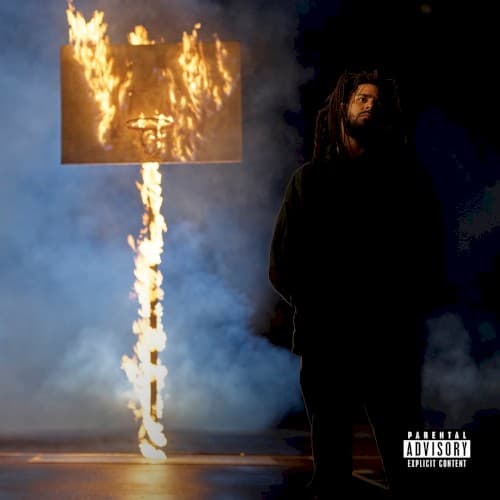
J. Cole arrives at The Off-Season with something to prove, and the hunger radiates through every kick drum. Released in May 2021 through Dreamville Records, this sixth studio album positions itself as both training montage and victory lap—a project recorded during Cole's preparation for professional basketball tryouts that channels athletic discipline into sonic precision. The title itself announces intent: this isn't the main event, but the grueling preparation that separates contenders from pretenders. After a three-year absence following KOD, J. Cole's artistic evolution returns leaner, sharper, and more technically focused than perhaps any previous point in his career. The album opens with immediate confidence, Cole's voice riding production that hits harder and cleaner than his recent work. Where KOD explored addiction and consciousness through hazy, experimental soundscapes, The Off-Season strips away abstraction for direct impact. The sequencing feels deliberate—each track positioned like a training drill, building stamina and showcasing different aspects of Cole's technical arsenal. This is J. Cole operating at peak athletic form, translating the discipline of sports preparation into rap craftsmanship.
Production Architecture and Lyrical Training Drills
The sonic foundation Cole constructs here represents some of the cleanest, most muscular production in his catalog. Handling much of the production himself alongside frequent collaborator T-Minus, Coleman creates beats that breathe with space while hitting with force. The drum programming throughout emphasizes snare crack and hi-hat precision—percussion that drives momentum without overwhelming the mix. Bass frequencies sit prominently but controlled, providing weight without muddiness. Cole understands that showcase rapping requires production that supports rather than competes, and these instrumentals function like well-designed training equipment. The sample selection leans toward soul vocal loops and gospel chords, but processed with modern clarity. On "95.south," chopped vocal fragments create melodic texture while maintaining rhythmic propulsion. The strings on "my.life" featuring 21 Savage and Morray provide emotional depth without sentimentality—arranged to complement rather than dominate. Cole's ear for sonic balance shines throughout: each element occupies defined frequency space, allowing his voice to cut through with surgical precision. The mixing places vocals confidently forward in the stereo field, every syllable audible and intentional. Lyrically, Cole operates in pure technical mode, deploying multi-syllabic rhyme schemes, internal rhyme patterns, and breath control exercises that demonstrate formal mastery. The basketball metaphors that thread through the project aren't mere thematic decoration—they reflect the competitive athlete mindset Cole brings to the writing process. On "applying.pressure," he stacks double-time flows and switches cadence with the precision of a point guard executing complex dribble moves. The pen control is undeniable: consonant clusters hit like crossover dribbles, assonance creates rhythmic momentum, and his ability to ride pockets within the beat showcases years of technical refinement. The thematic content circles around legacy, competition, and proving doubters wrong—familiar territory for Cole, but executed with renewed intensity. He addresses his place in the rap hierarchy directly, measuring himself against peers and predecessors without false modesty. The hunger feels genuine because the technical execution backs it up. Where some rappers discuss greatness abstractly, Cole demonstrates it through formal craft. The production choices support this competitive framework. Tempos trend aggressive without reaching frantic speeds—most tracks sit in the 140-150 BPM range, allowing Cole room to execute complex patterns while maintaining forward drive. The instrumental arrangements stay relatively minimal, placing emphasis on drums and bass with melodic elements providing accent rather than foundation. This sonic approach mirrors athletic training philosophy: focus on fundamentals, eliminate unnecessary elements, build strength through repetition and precision. The sequencing creates an album arc that simulates a training cycle. Early tracks establish intensity and confidence. Mid-album cuts introduce collaborators and expand sonic palette slightly. The final stretch—particularly "the.climb.back" and "hunger.on.hillside"—function as victory laps and reflective cool-down. Cole understands pacing not just within individual tracks but across the full listening experience.
Peak Performance Moments
"amari" exemplifies everything working in harmony on this project. The production loops a soulful vocal sample over bass that thumps with physical presence, creating space for Cole to deliver some of his most technically impressive rapping. The flow switches are seamless—he accelerates into double-time, pulls back to emphasize particular phrases, and rides off-beat pockets with the confidence of someone who has internalized the rhythm completely. The mixing allows every syllable clarity without sounding sterile or overprocessed. This is showcase rapping executed at championship level, the track you'd play to demonstrate pure technical ability. "my.life" succeeds as the album's emotional anchor, the gospel-influenced production providing genuine warmth while maintaining the project's overall sonic toughness. Morray's sung hook adds melodic contrast without softening the impact, and 21 Savage's guest verse complements rather than disrupts the flow. Cole's writing here connects personal struggle to universal experience without lapsing into generic motivational rhetoric. The instrumental breathing room allows reflection while the drum programming ensures the energy never dissipates. "the.climb.back" functions as the album's thesis statement, Cole addressing critics and doubters over production that builds gradually, adding layers while maintaining clarity. His vocal delivery shifts between conversational directness and aggressive assertion, demonstrating range within a single performance. The beat structure—minimal intro expanding into full instrumental—mirrors the lyrical arc of grinding from the bottom toward recognition. The mixing decision to keep the instrumental relatively sparse ensures Cole's voice remains the clear focal point, every punchline and technical flourish landing with intended impact.
Championship-Level Execution in a Crowded Field
The Off-Season represents J. Cole operating at technical peak, delivering an album that prioritizes craft, clarity, and competitive drive. The production throughout maintains professional polish without sacrificing punch—drums hit hard, bass frequencies provide weight, and mixing decisions ensure every element occupies defined sonic space. Cole's rapping showcases formal mastery: complex rhyme schemes executed with breath control and rhythmic precision that few contemporaries match. The basketball metaphors threading through the project aren't superficial—they reflect the disciplined athlete mindset Cole brought to the recording process, treating rap like a sport requiring constant refinement. The album's main limitation is thematic predictability. Cole covering legacy, competition, and proving doubters wrong hits familiar notes for anyone following his career. The hunger feels genuine and the execution backs it up, but the conceptual territory doesn't break new ground. Additionally, while the minimal production approach serves the technical showcase purpose, some listeners may find the sonic palette less adventurous than his more experimental work. The Off-Season won't convert skeptics who find Cole's approach too workmanlike or prefer more sonically adventurous rap. However, for listeners who value technical excellence, clean production, and rapping executed at championship level, this album delivers consistently. It earns its 8/10 rating through sheer craft—this is a master technician demonstrating why fundamentals, executed with precision and discipline, remain the foundation of great rap music. Cole may frame this as off-season preparation, but the final product plays like peak performance.
Track Listing
9 5 . s o u t h
The album opener establishes tone immediately with hard-hitting drums and Cole's voice entering confidently. Production keeps elements minimal—snapping snare, rolling hi-hats, bass presence—allowing Cole's flow to command attention. His delivery alternates between relaxed pocket-riding and aggressive emphasis, showcasing range within a single performance. The mixing places his vocal prominently without making it feel overprocessed. Lyrically, Cole announces his competitive mindset and sets up the album's athletic metaphor framework. The track functions as statement of intent: no elaborate concept, just technical rapping over solid production.
a m a r i
One of the album's strongest pure rapping showcases. The soulful looped vocal sample creates melodic texture while the drum programming drives relentless forward momentum. Cole's flow switches demonstrate complete mastery—double-time acceleration, rhythmic pocket shifts, and breath control that makes complex patterns sound effortless. The bass sits deep in the mix, providing physical weight without overwhelming frequency space. Every syllable cuts through with clarity, the mixing allowing technical flourishes to land with intended impact. This is J. Cole operating at peak technical ability, using production as a platform for pure skill demonstration. The track rewards repeated listens as rhyme scheme complexity reveals itself.
m y . l i f e
The gospel-influenced production provides emotional depth while maintaining the album's sonic toughness. Morray's sung hook adds melodic contrast that elevates the track beyond standard rap feature formula. 21 Savage's guest verse complements the mood effectively, his deadpan delivery creating interesting textural contrast with Cole's more animated approach. The instrumental arrangement—keys, subtle strings, and punchy drums—balances warmth with edge. Cole's writing connects personal struggle to broader experience without generic motivational clichés. The mixing keeps all three vocal performances clear and distinct, demonstrating thoughtful production decisions. This track adds necessary emotional range to an otherwise technically-focused project.
a p p l y i n g . p r e s s u r e
Aggressive production matches Cole's competitive lyrical posture. The beat emphasizes snare crack and bass thump, creating physical impact that supports the confrontational tone. Cole's flow rides pockets within the rhythm, demonstrating technical precision while maintaining raw energy. His cadence switches feel intentional rather than random—each shift serves either rhythmic purpose or emphasis function. The minimal instrumental approach keeps focus on vocal performance, which delivers some of the album's most direct assertions about Cole's place in rap hierarchy. Mixing choices ensure the aggression translates clearly without distortion or muddiness. The track succeeds as pure technical showcase with competitive bite.
p u n c h i n ' . t h e . c l o c k
The title's work metaphor plays out over production that balances bounce with grit. Cole's delivery alternates between relaxed storytelling and technical flex, demonstrating range and control. The drum programming maintains steady pocket while allowing room for flow variation. Bass frequencies provide foundation without dominating, and the melodic elements—filtered keys or vocal samples—add texture without cluttering sonic space. Lyrically, Cole explores grind mentality and blue-collar work ethic, connecting it to his artistic discipline. The mixing keeps vocals clear and forward, every line cutting through with intended clarity. Solid mid-album cut that maintains energy without feeling like filler.
1 0 0 . m i l '
Bas and 6LACK contributions add textural variety to the album's sonic palette. The production incorporates more melodic elements than surrounding tracks—synthesized chords and atmospheric touches create different mood. Cole's verse maintains his technical standard while adapting to the slightly more laid-back instrumental vibe. The feature verses provide needed change of pace, both artists bringing distinct vocal textures. However, the track feels slightly less essential than the album's pure Cole showcases—competent execution without the intensity that defines the project's strongest moments. The mixing balances three distinct vocal approaches effectively, demonstrating production skill even if the final result lacks standout memorability.
p r i d e . i s . t h e . d e v i l
Lil Baby's appearance and the conceptual focus on pride create interesting thematic tension. The production incorporates trap-influenced hi-hat patterns while maintaining the album's overall sonic approach—clean mixing, prominent bass, and space for vocal clarity. Cole and Lil Baby represent different stylistic approaches to contemporary rap, and their pairing highlights both convergence and distinction. Cole's technical complexity contrasts with Lil Baby's more melodic, rhythmically straightforward delivery. The track explores ego and humility, though the execution doesn't quite reach the depth the concept promises. Solid collaborative effort that adds stylistic variety without fully capitalizing on its thematic potential.
l e t . g o . m y . h a n d
Bas and 6LACK return for a track that shifts toward introspective territory. The production emphasizes melody more than typical album cuts—keys and atmospheric elements create reflective mood. Cole's writing explores personal relationships and vulnerability, providing emotional counterpoint to the competitive posturing elsewhere. The feature verses integrate smoothly, all three artists occupying similar tonal space. However, the mellower approach slightly diminishes the intensity that makes the album's harder cuts more memorable. The mixing remains clean and balanced, but the track functions more as palette cleanser than essential statement. Competent execution serving sequencing purpose rather than standalone strength.
i n t e r l u d e
Brief transitional moment that provides breathing room in the album's sequencing. Cam'ron's appearance and the conversational sample create textural variety without disrupting momentum. The production strips back to minimal elements—just enough to bridge between fuller tracks. Functions purely as structural device rather than standalone piece. The mixing keeps the spoken elements clear and present, demonstrating attention to detail even in transitional moments. This kind of interlude works because it doesn't overstay or overcomplicate its purpose—simple palate cleanser before the final stretch.
t h e . c l i m b . b a c k
One of the album's most fully realized statements. The production builds gradually, starting minimal and adding layers while maintaining clarity throughout. Cole's vocal delivery shifts dynamically—conversational directness giving way to aggressive assertion, demonstrating control and range. Lyrically, this track addresses critics and doubters with specific detail rather than generic chest-puffing. The beat structure mirrors the lyrical arc: grinding ascent toward recognition. Mixing decisions keep the instrumental sparse enough that Cole's voice remains clear focal point, every technical flourish and punchline landing cleanly. The track balances technical showcase with genuine emotional investment, creating one of the project's peak moments.
c l o s e
The production incorporates different sonic elements—more melodic instrumentation and atmospheric touches that create contemplative mood. Cole's writing turns inward, exploring personal reflection and artistic purpose beyond competitive posturing. The flow remains technically precise but delivered with less aggressive energy, matching the introspective content. Guest contributions add textural variety without dominating. However, the shift toward mellow introspection slightly diffuses the intensity that defines the album's strongest stretches. The mixing remains clean and professional, but the track feels less essential than surrounding cuts—competent execution without the memorable impact of the album's hardest-hitting moments.
h u n g e r . o n . h i l l s i d e
The closing track functions as both victory lap and reflective conclusion. Production maintains the album's sonic approach—clean drums, prominent bass, space for vocal clarity—while incorporating enough melodic elements to signal conclusion rather than continuation. Cole's delivery balances confidence with contemplation, looking back on the journey the album represents while asserting his position. The writing connects personal history to current standing, providing satisfying thematic closure. The mixing ensures the final moments land with clarity and impact. As an album closer, it succeeds by maintaining the project's core identity while providing sense of completion—ending on earned confidence rather than unresolved tension.