Drake's Coronation: Reconciling Ambition With Introspection
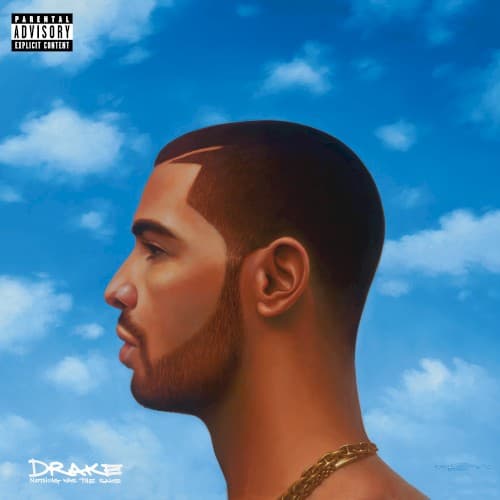
By September 2013, Drake had already claimed considerable territory in hip-hop's shifting landscape, but Nothing Was the Same arrived as something more calculated than his previous efforts—a deliberate statement of artistic arrival rather than commercial positioning. The Toronto rapper's third studio album opens with a bold proclamation across nearly six minutes of unbroken verse, immediately signaling that this project operates under different rules than Take Care's moody accessibility or Thank Me Later's tentative debut energy. Where his earlier work oscillated between confident posturing and vulnerable confession often within single tracks, Nothing Was the Same attempts a synthesis: Drake as both conquering titan and contemplative artist, examining success while standing firmly within it. The album's sonic palette, shaped primarily by longtime collaborator Noah "40" Shebib alongside contributions from Hit-Boy, Boi-1da, and others, strips away some of Take Care's lush maximalism in favor of spacious, deliberate arrangements that foreground Drake's technical evolution as a vocalist and lyricist. This isn't Drake chasing trends or proving himself worthy of the conversation—it's Drake defining what the conversation should sound like, for better and occasionally worse.
Vocal Architecture: Flow Precision in Negative Space
The production across Nothing Was the Same functions as controlled minimalism, with 40's signature approach—atmospheric synth beds, muted bass frequencies, careful sample placement—creating environments where Drake's technical choices become hypervisible. On "Tuscan Leather," the beat switches three times across five minutes and forty-eight seconds, and Drake navigates each transition with pocket awareness that demonstrates genuine rhythmic sophistication. His flow across the opening section uses triplet subdivisions sparingly, placing emphasis on the backbeat while his syllable choices create internal rhyme structures that reward close listening: the way "negligence" connects to "repping it" through both sonic echo and thematic callback shows vocabulary deployment as structural tool rather than decorative flourish. When the production shifts to the Erykah Badu-sampling second movement, Drake adjusts his cadence to ride the slower tempo without losing momentum, employing breath control that allows him to extend phrases across multiple bars while maintaining clarity.
The vocal delivery throughout demonstrates range that justifies Drake's hybrid rapper-singer positioning. On "From Time," featuring Jhené Aiko, his sung passages don't abandon rhythmic precision for melody—instead, he treats melodic choices as extensions of his rhythmic vocabulary, placing notes with the same deliberate pocket awareness he brings to straight rap passages. The bridge section uses harmonic layering that creates textural depth without overproduction, each vocal track occupying distinct frequency space. This technical approach contrasts sharply with "Worst Behavior," where his delivery adopts clipped, almost percussive phrasing over Dre Moon and DJ Dahi's menacing production. The hook's repetitive structure—"Motherfuckers never loved us"—uses vocal tone as its primary variation tool, Drake's inflection shifting from dismissive to defiant across iterations without changing the melodic contour.
"The Language" exemplifies Drake's technical methodology at its most refined. Over Boi-1da's minimalist production, built around a single synth line and hard-hitting drums, Drake employs a flow pattern that creates polyrhythmic tension against the beat. His verse structure uses caesura—strategic pauses—to create syncopation, letting silence function as rhythmic element. The multisyllabic rhyme schemes extend across bar lines rather than resolving at predictable intervals, with words like "audible," "probably," and "honestly" functioning as both sonic connectors and thematic anchors. This technical density never feels forced because Drake's delivery remains conversational, his tone suggesting effortless execution even when the underlying construction reveals meticulous craft.
Yet the album's technical strengths occasionally expose its conceptual limitations. "Hold On, We're Going Home," while showcasing Drake's melodic capabilities over Majid Jordan and 40's pristine pop-R&B production, feels disconnected from the album's broader thematic concerns. The song succeeds as individual composition—the hook's vocal arrangement uses subtle harmonization that creates emotional resonance, and Drake's verses balance yearning with restraint—but its placement disrupts the album's narrative flow. Similarly, "305 to My City" featuring DJ Khaled attempts geographical bridge-building that reads more as label obligation than artistic necessity, the track's energy never quite matching the album's prevailing mood of expensive introspection.
Defining Moments: Where Technique Meets Purpose
"Tuscan Leather" remains the album's most impressive technical showcase, six minutes of uninterrupted verse across three distinct beat sections. Drake's decision to open with this statement piece—no hook, no features, no commercial concessions—demonstrates confidence earned rather than assumed. His flow adjustments across each production shift show adaptive skill: the opening section's measured pacing gives way to more aggressive delivery in the second movement, then mellows into reflective cadence for the closer. The track functions as thesis statement, establishing both sonic parameters and technical standards for everything that follows. When Drake raps about his position in the industry, the lack of hooks or melodic breaks reinforces the point—he's operating beyond the need for easy accessibility.
"From Time" represents the album's emotional center, Drake's most vulnerable vocal performance anchored by Chantal Kreviazuk's "Feel Me" sample. His sung passages here avoid the pitfall of empty melodrama because the lyrics ground emotion in specific detail rather than generic sentiment. The way he navigates the track's structure—alternating between sung verses and more rhythmic bridge sections—shows an understanding of dynamics as compositional tool. Jhené Aiko's feature functions as harmonic counterpoint rather than separate verse, her vocal floating above Drake's lower register to create textural layering. The track succeeds because technique serves emotion rather than displacing it, each vocal choice justified by the material's thematic requirements.
"Pound Cake / Paris Morton Music 2" closes the album with Jay-Z collaboration that foregrounds pure rapping over Boi-1da and Jordan Evans' Ellie Goulding-sampling production. Drake's verse demonstrates the technical growth that separates Nothing Was the Same from his earlier work: his multisyllabic constructions feel natural rather than forced, his pocket navigation shows genuine rhythmic sophistication, and his tonal choices—switching from conversational to emphatic within single bars—create dynamic variation without disrupting flow continuity. Jay-Z's guest verse, while strong, actually highlights Drake's technical evolution; where Jay relies on established cadence patterns and reputation-backed punchlines, Drake builds momentum through rhythmic variation and structural unpredictability. The track's extended runtime allows both artists space to develop their performances beyond typical verse-hook constraints, resulting in the album's most satisfying pure rap showcase.
Toronto's Consolidation: Ambition Realized, Questions Postponed
Nothing Was the Same succeeds as consolidation statement, Drake cementing his position while demonstrating tangible technical growth. The album's production—primarily 40's atmospheric minimalism—creates ideal environments for Drake's vocal evolution to become audible. His flow sophistication, improved breath control, and expanded melodic range justify the project's ambitions, while tracks like "Tuscan Leather" and "Pound Cake" prove he can compete as pure technician when commercial considerations recede. The decision to limit features and emphasize album cohesion over singles collection shows artistic maturity, even when individual tracks occasionally disrupt that cohesion. Yet the album avoids harder questions about what Drake's success actually means, treating introspection as aesthetic choice rather than genuine self-examination. The wealth, the fame, the romantic complications—all become content to be processed through technical skill rather than challenges to be genuinely confronted. This limitation doesn't diminish the album's technical achievements, but it does prevent Nothing Was the Same from reaching the conceptual depth its production and performances occasionally suggest. As statement of artistic arrival, it succeeds completely. As exploration of what comes after arrival, it remains deliberately incomplete. The album stands as Drake's most cohesive work to this point, a project where ambition and execution align more consistently than on Take Care's sprawling excess or Thank Me Later's uncertain foundation, even if the questions it chooses not to ask linger louder than the ones it answers.
Track Listing
Tuscan Leather
Six minutes of uninterrupted technical showcase across three beat switches. Drake's flow adapts to each production shift with pocket awareness that demonstrates genuine rhythmic sophistication. The multisyllabic rhyme schemes extend across bar lines, creating internal structures that reward close listening. His decision to open the album with this statement—no hooks, no features, pure verse—establishes both confidence and technical standards for what follows. The track functions as thesis, proving Drake can sustain interest through craft alone.
Furthest Thing
Atmospheric production from Jake One creates space for Drake's most contemplative vocal performance in the album's first half. The track's two-part structure shifts from introspective verses over minimal instrumentation to a more rhythmically aggressive second section. Drake's delivery uses tonal variation as primary expressive tool, his inflection shifting from vulnerable to assertive as the production builds. The juxtaposition between sections mirrors the album's broader tension between introspection and confidence, though the transition feels slightly abrupt.
Started From the Bottom
The album's commercial anchor, built around Mike Zombie's sparse production and a hypnotic single-note synth line. Drake's flow here prioritizes rhythmic simplicity over technical density, the repetitive hook structure creating earworm accessibility. His verse delivery employs clipped phrasing that matches the beat's minimal approach, each line hitting with percussive directness. While the track's commercial success proved its effectiveness, its sonic simplicity feels somewhat disconnected from the album's more ambitious technical moments, though its thematic focus on success trajectory aligns with the broader narrative.
Wu-Tang Forever
Built around a sample of the iconic group, the track attempts homage while remaining distinctly Drake in execution. Noah Shebib's production strips the source material to atmospheric essence rather than direct quotation. Drake's sung-rap hybrid delivery navigates the beat's spacious arrangement with melodic choices that create harmonic interest without abandoning rhythmic foundation. The track works best in its verses, where Drake's flow uses syncopation to create tension against the measured tempo, though the hook's repetitive structure grows slightly tiresome across multiple listens.
Own It
A brief interlude featuring Drake's sung vocals over lush production that creates transitional breathing room in the album's sequencing. The track's minute-and-a-half runtime doesn't allow for full compositional development, functioning more as palette cleanser than standalone piece. Drake's melodic approach here leans heavily on reverb and harmonic layering to create atmospheric texture, the lyrics addressing relationship dynamics with the vulnerability that characterizes his sung performances. While pleasant, the track feels incomplete, its abbreviated length preventing the emotional resonance its production suggests.
Worst Behavior
Aggressive production from DJ Dahi and Dre Moon anchors Drake's most confrontational vocal performance. His delivery adopts percussive, almost staccato phrasing that matches the beat's menacing energy. The hook's repetitive structure uses vocal tone as primary variation tool, Drake's inflection shifting across iterations without melodic change. His verse demonstrates pocket precision, each syllable placement creating rhythmic tension against the hard-hitting drums. The track succeeds through its commitment to single mood—unapologetic defiance—without the tonal shifts that characterize much of the album.
From Time
The album's emotional centerpiece, featuring Jhené Aiko over Chantal Kreviazuk's sampled piano. Drake's most vulnerable vocal performance navigates between sung and rapped sections with dynamic awareness, each delivery choice serving the material's contemplative mood. His breath control allows extended phrases that maintain clarity while creating emotional continuity. Aiko's feature functions as harmonic counterpoint, her voice floating above Drake's lower register to create textural depth. The production's restraint—minimal drums, prominent sample, spacious arrangement—allows the vocal performances to carry the track's emotional weight.
Hold On, We're Going Home
Majid Jordan and Noah Shebib craft pristine pop-R&B production that showcases Drake's melodic capabilities. His sung verses balance yearning with vocal restraint, the hook's harmonic arrangement using subtle layering to create radio-ready accessibility. The track demonstrates Drake's range as vocalist, his tone control and melodic phrasing revealing genuine singing technique rather than Auto-Tune reliance. Yet its polished pop sensibility feels somewhat disconnected from the album's prevailing mood, the track functioning better as standalone single than album piece, though its commercial appeal proved undeniable.
Connect
Darker production creates space for Drake's more rhythmically focused delivery. His flow here uses triplet subdivisions and syncopated phrasing to create polyrhythmic complexity against the beat's measured tempo. The verses demonstrate technical precision—multisyllabic rhymes, internal structures, pocket awareness—without sacrificing conversational tone. The track's minimal hook allows extended verse sections where Drake develops his rhythmic ideas across multiple bars. While not as immediately memorable as some album highlights, the track rewards attention through its technical sophistication and commitment to craft over accessibility.
The Language
Boi-1da's minimalist production—single synth line, hard drums—creates ideal environment for Drake's technical showcase. His flow pattern creates polyrhythmic tension through strategic use of caesura, letting silence function as rhythmic element. The multisyllabic rhyme schemes extend across bar lines with words like "audible" and "probably" serving as both sonic and thematic connectors. Drake's delivery maintains conversational ease despite the underlying complexity, his tone suggesting effortless execution. The track exemplifies his refined methodology: technical density that never announces itself, craft that serves performance rather than displacing it.
305 to My City
The album's weakest moment, featuring DJ Khaled in what feels more like label obligation than artistic choice. Detail's production attempts geographical bridge-building between Toronto and Miami, but the track's energy never quite meshes with the album's prevailing introspective mood. Drake's performance remains technically competent—his flow navigates the beat with characteristic precision—but the material lacks the thematic depth or emotional resonance found elsewhere. The track disrupts album sequencing rather than enhancing it, its inclusion feeling driven by commercial or political considerations.
Too Much
Sampha's haunting vocals anchor this collaboration over production that returns to the album's atmospheric core. Drake's verses use measured pacing and tonal restraint to create contemplative mood, his delivery prioritizing emotional clarity over technical flash. The way he navigates around Sampha's sung sections shows compositional awareness, each artist occupying distinct sonic space while maintaining thematic coherence. The track addresses success and isolation with more genuine introspection than much of the album, Drake's lyrics grounding emotion in specific detail rather than generic sentiment. The extended runtime allows ideas to develop naturally.
Pound Cake / Paris Morton Music 2
The album's closing statement features Jay-Z over Boi-1da and Jordan Evans' Ellie Goulding-sampling production. Drake's verse demonstrates his technical evolution: natural multisyllabic constructions, sophisticated pocket navigation, dynamic tonal choices within single bars. His flow builds momentum through rhythmic variation rather than relying on established patterns. Jay-Z's guest verse, while strong, actually highlights Drake's growth—where Jay uses reputation-backed punchlines, Drake creates interest through structural unpredictability. The extended two-part structure allows both pure rap showcase and more melodic closer, providing satisfying album conclusion.
Come Thru
Nineteen85's production creates late-night atmosphere for Drake's seductive vocal approach. His sung delivery uses melodic phrasing and harmonic choices to build sensual mood, the minimalist beat allowing vocal nuance to carry the track. The performance demonstrates Drake's singing technique—tone control, breath management, melodic navigation—without heavy processing or effects. While brief and somewhat slight compared to the album's weightier moments, the track functions as effective palette variation, its intimate scale and focused mood providing contrast to surrounding material.
All Me
Big Sean and 2 Chainz feature over Key Wane and Darhyl Camper Jr.'s synth-heavy production. Drake's opening verse uses aggressive delivery and dense wordplay, his flow demonstrating technical precision through multisyllabic structures and rhythmic complexity. The track's energy contrasts with much of the album's introspective mood, Drake adopting more confrontational tone that recalls "Worst Behavior." The features add variety though neither quite matches Drake's technical performance. The production's maximalist approach—layered synths, prominent bass—creates sonic density that stands apart from 40's minimalist aesthetic elsewhere.
The Motion
Sampha returns for this atmospheric closer built around his ethereal vocals and Nineteen85's spacious production. Drake's sung-rap delivery navigates the beat's deliberate tempo with melodic choices that create harmonic interest while maintaining rhythmic foundation. The track's unhurried pacing and emphasis on mood over technical display provides effective album denouement, Drake's performance prioritizing emotional resonance over showcase moments. The production's restraint—prominent sample, minimal drums, spacious mixing—allows the vocal interplay between Drake and Sampha to create the track's primary texture.