Wayne's Pivot Point Between Underground Hunger and Mainstream Domination
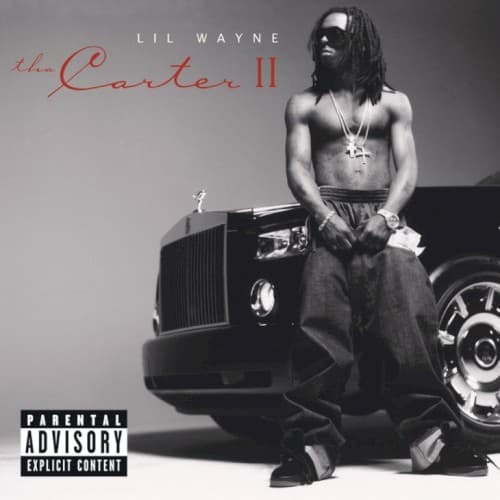
Tha Carter II arrived in December 2005 at the precise moment when Lil Wayne stopped being just another Cash Money artist and started his transformation into the self-proclaimed "Best Rapper Alive." The album's production choices reflect this transition viscerally — these aren't the glossy radio chases that defined much of his earlier work, but grimier, more atmospheric constructions that gave Wayne room to experiment with cadence and metaphor in ways his previous albums never allowed. The beats breathe differently here, creating pockets of space where Wayne's voice becomes the primary instrument rather than just another layer in a maximalist mix. Where Tha Carter felt tentative, testing whether Wayne could carry a project alone post-Hot Boys, this sequel arrives with the confidence of an artist who's spent countless hours in mixtape laboratories perfecting his craft. The sonic palette pulls from Southern rap's grittier corners while incorporating enough melodic elements to maintain commercial viability — a balancing act that defines the entire 22-track journey. Producers like Mannie Fresh and Cool & Dre construct foundations that range from menacing minimal loops to surprisingly jazzy arrangements, each track serving as a different canvas for Wayne's increasingly acrobatic vocal performances.
Sparse Drums and Melodic Loops Create Wayne's New Sonic Laboratory
The production architecture across Tha Carter II reveals a deliberate move away from the busy, percussion-heavy Cash Money sound that dominated Wayne's earlier catalog. Tracks like Fireman strip everything down to skeletal drum programming and a hypnotic synthesizer loop that borders on industrial minimalism — the beat feels like it's perpetually winding up without ever fully releasing, creating tension that Wayne exploits with his staccato delivery and half-sung hooks. This sparse approach recurs throughout the album, giving Wayne's voice unprecedented prominence in the mix. The bass sits lower and rounder than typical mid-2000s Southern rap, less about trunk-rattling boom and more about creating a warm pocket in the low end that anchors rather than dominates.
Cool & Dre's work on Hustler Musik exemplifies the album's most successful production moments — a flipped guitar sample sits in the midrange with such clarity you can hear the string resonance, while simple kick-snare patterns leave massive space for Wayne's internal rhyme schemes to land with precision. The mix places his vocal slightly forward but not aggressively so, creating intimacy without sacrificing power. When he shifts cadences mid-bar, the sparse instrumentation follows his rhythm rather than fighting against it. This producer-rapper symbiosis marks a significant evolution from earlier work where Wayne often sounded like he was rapping over beats rather than with them.
Mannie Fresh's contributions maintain some connection to the classic Cash Money bounce — Best Rapper Alive builds its foundation on syncopated hi-hats and a minor-key melodic loop that feels menacing without being cartoonish. But even Fresh pulls back from his typical maximalism here, letting negative space do much of the work. The snare hits harder because there's nothing competing with it in the 2-4kHz range. The bass slides sit naked in the mix, exposed in ways that would have been buried under layers of synth stabs on a 1999 Cash Money record. This restraint serves Wayne's increasingly complex flows — his ability to accelerate through bars and then brake suddenly requires production that can accommodate tempo shifts without losing groove.
The album's sequencing creates a sonic arc that mirrors Wayne's thematic evolution from street reports to aspirational braggadocio. Early tracks sit in darker, more claustrophobic sonic spaces — Tha Mobb opens with ominous keys and martial snare patterns that evoke paranoia. By mid-album, tracks like Money on My Mind introduce warmer tones and more melodic elements, the production literally opening up as Wayne's subject matter shifts from survival to success. The skits (On tha Block #1, #2, #3) serve as sonic palate cleansers, brief narrative interludes that reset the listener's ear between the album's distinct sonic chapters.
Vocal production deserves particular attention — Wayne's voice gets treated with subtle effects that enhance rather than mask his delivery. There's strategic reverb on certain ad-libs that creates depth, doubling on hooks that adds weight without sounding processed, and clean, dry verses that put his technical improvements on full display. The decision to keep his vocal relatively unadorned, especially compared to the heavy Auto-Tune and processing that would dominate rap within two years, feels almost rebellious in retrospect. These mixes say: listen to what I'm doing with rhythm and wordplay, not what effects can do to my voice.
The inclusion of Screwed & Chopped remixes as bonus material demonstrates Wayne's understanding of Southern rap's regional variations. While these pitch-shifted, slowed versions feel like fan service rather than essential listening, their presence acknowledges Houston's influence on his artistic development. The original mixes already incorporate elements of chopped-and-screwed aesthetics — dramatic tempo shifts, isolated vocal chops used as rhythmic elements — suggesting Wayne absorbed this approach into his standard methodology rather than treating it as regional novelty.
The Tracks Where Production and Performance Achieve Perfect Synergy
Hustler Musik stands as the album's production centerpiece, a beat so perfectly constructed that it almost overshadows Wayne's performance — almost. The guitar sample loops with hypnotic precision while the drum programming stays minimal enough that every hi-hat feels intentional. Wayne rides this instrumental with a relaxed pocket, letting his voice settle into the groove rather than attacking it. His multi-syllabic rhyme patterns match the melodic contour of the sample, creating a musical conversation between voice and instrumentation that represents his technical peak to this point in his career. The mix balances warmth and clarity, bass presence without muddiness, and leaves just enough high-end sparkle to keep the track from feeling dated even two decades later.
Fireman achieves something entirely different — menacing minimalism that strips rap production to its essential elements. The synth loop feels mechanized and cold, the drum pattern relentless but never busy, and the overall atmosphere evokes industrial machinery grinding through repetitive motion. Wayne's vocal sits aggressively forward in this mix, almost uncomfortably close, making his punch-in breaths and ad-libs feel claustrophobic in exactly the right way. The hook — simple repetition of the title — works because the production refuses to embellish or sweeten it. This track proved Wayne could command attention with pure presence rather than relying on elaborate arrangements, a revelation that would influence his mixtape work over the following years.
Best Rapper Alive justifies its title through the interplay between Mannie Fresh's beat and Wayne's performance. The production sits in a minor key throughout, bass notes sliding between root and fifth while synth stabs punctuate the spaces between Wayne's bars. But it's the drum programming that makes this track exceptional — hi-hats execute double-time patterns that Wayne matches with rapid-fire syllables, then suddenly simplify when he needs room for punch lines to breathe. This responsive production approach, where the beat seems to anticipate Wayne's vocal choices, creates the impression of a single unified performance rather than vocals laid over a pre-existing instrumental. The result documents an artist and producer operating at the height of their collaborative chemistry, both pushing each other toward greater complexity without sacrificing groove or accessibility.
The Album Where Wayne's Technical Mastery Finally Matched His Ambition
Tha Carter II succeeds primarily as a production showcase that allowed Lil Wayne to fully inhabit his evolving artistic identity. The sonic choices across these 22 tracks demonstrate an artist and his production team making deliberate decisions about space, texture, and atmosphere rather than chasing trending sounds or replicating past formulas. When these beats work — and they work more often than not — they create environments where Wayne's technical improvements in flow, cadence variation, and rhythmic complexity can flourish without fighting the instrumentation for attention. The album occasionally suffers from its ambition, with a handful of tracks feeling like experiments that don't quite land and a runtime that tests patience during weaker stretches. Tracks like Feel Me and Get Over blend together sonically, lacking the distinct production identities that make the strongest cuts memorable.
Yet the peaks justify the valleys. This is the album where Wayne proved he could command multiple sonic templates, where his voice became an instrument sophisticated enough to deserve production tailored to its capabilities rather than generic beats designed for any capable rapper. The bass work, the strategic use of silence, the patient sample flips, the restrained mixing — these choices accumulate into a sonic statement about where Southern rap could evolve when artists prioritized craft over formula. The Screwed & Chopped bonus material, while redundant, acknowledges the regional context that informed Wayne's artistic development, a gesture toward the Houston sound that influenced his approach to tempo manipulation and vocal rhythm.
Tha Carter II stands as the transitional work that established Wayne as a legitimate album artist rather than just a mixtape phenomenon or former group member coasting on Cash Money's infrastructure. The production quality and sonic cohesion here surpass his earlier solo work significantly, creating a template he would refine and expand across subsequent Carter installments. For listeners interested in the moment when Lil Wayne's technical abilities caught up with his ambitions, when the beats finally matched the complexity of his flows, this album documents that transformation in real time. It's not perfect — at 22 tracks it could have been tighter — but its sonic identity remains distinct and influential, a snapshot of an artist finding his voice by first finding the right instrumental landscapes to house it.
Track Listing
Tha Mobb
Opens the album with ominous minor-key production and martial drum patterns that immediately establish a darker, more serious tone than Wayne's previous work. The mix keeps everything compressed and claustrophobic, creating paranoid energy that frames the album's street-level perspective. Wayne's delivery stays measured and deliberate, his flow matching the track's deliberate pace rather than rushing against it. This introduction signals a matured artist willing to let production breathe and establish mood before dominating every sonic space.
Fly In
Serves as a brief transitional piece with airplane sound effects and atmospheric production that bridges the opening track into the album proper. The sparse instrumentation — mostly ambient tones and minimal percussion — creates anticipation rather than delivering immediate gratification. Wayne's vocal sits low in the mix here, almost conversational, establishing the album's willingness to vary intensity and volume rather than maintaining constant aggression. Functions more as sonic palette-setting than standalone composition.
Money on My Mind
Introduces warmer melodic elements and more commercially accessible production while maintaining the album's overall grittier aesthetic. The beat features a simple repeating keyboard melody over steady kick-snare patterns, creating hypnotic repetition that Wayne exploits with varied cadences. His flow accelerates and decelerates throughout, using the beat's consistent foundation as a launching point for rhythmic experimentation. The hook stays minimal and repetitive, letting the track's groove do most of the work while Wayne's verses provide the complexity.
Fireman
Achieves menacing minimalism through stripped-down production that became one of Wayne's signature sonic templates. The synth loop feels mechanized and cold, drum patterns relentless but never busy, creating industrial atmosphere that puts Wayne's vocal aggressively forward in the mix. His delivery matches the beat's mechanical precision with staccato flows and half-sung hooks that sound almost robotic in their rhythmic exactness. This track proved Wayne could command attention through pure presence and vocal performance rather than elaborate arrangements.
Mo' Fire
Continues the Fireman aesthetic with slight variations — darker bass tones, slightly faster tempo, more aggressive drum programming that adds urgency to similar thematic territory. The production builds on the previous track's minimalism while introducing subtle melodic variations that prevent the approach from feeling redundant. Wayne's vocal performance stays in attack mode throughout, his flow matching the increased tempo with tighter syllabic patterns and more compressed phrasing that demonstrates his technical growth.
On tha Block #1 (skit)
Brief narrative interlude featuring street conversation and ambient neighborhood sounds that ground the album in specific geographic and cultural context. The production here is purely atmospheric — no beat, just dialogue and background noise that creates documentary-style realism. Functions as a sonic palate cleanser between the album's aggressive opening run and the self-aggrandizing declarations that follow.
Best Rapper Alive
Mannie Fresh constructs a minor-key foundation with sliding bass notes and syncopated hi-hats that create space for Wayne's most technically complex flows on the album. The drum programming responds to Wayne's vocal rhythms, simplifying when he needs punch lines to land and accelerating during rapid-fire passages. Synth stabs punctuate spaces between bars without cluttering the mix, and the overall production creates the impression of beat and vocal as unified performance rather than separate elements layered together.
Lock and Load
Features harder-hitting drum programming and more aggressive bass presence that recalls classic Cash Money production while maintaining the album's sparser aesthetic. The beat cycles between intense verse sections with full instrumentation and stripped-down bridge moments that showcase production dynamics. Wayne matches this energy with more forceful delivery, his voice pushed slightly louder in the mix to emphasize the track's confrontational stance. The sonic aggression here provides necessary contrast to surrounding tracks' more measured approaches.
Oh No
Introduces unexpected melodic elements through string arrangements and softer keyboard tones that create the album's warmest production moment to this point. The drums stay relatively minimal, allowing the melodic components room to establish mood and atmosphere. Wayne adjusts his delivery accordingly, adopting a more relaxed pocket and letting sustained notes breathe rather than rushing through bars. The mix balances these softer elements with enough low-end presence to maintain hip-hop grounding without sounding like a pop crossover attempt.
Grown Man
Returns to harder production with prominent bass and more traditional Southern rap drum patterns, though still filtered through the album's preference for space over density. The beat features a repeating melodic loop that sits in the midrange, leaving the low and high frequencies relatively clear for Wayne's vocal to occupy multiple sonic registers. His performance here demonstrates improved control over dynamics, moving between aggressive attack and more measured delivery within single verses to match the beat's internal tensions.
On tha Block #2 (skit)
Second narrative interlude that continues establishing street-level context through dialogue and ambient sound design. Like the first skit, this serves primarily as a breather between the album's more intense musical sections and reinforces thematic continuity. The production choice to include multiple skits suggests confidence in the album's conceptual unity and willingness to sacrifice commercial streamlining for artistic cohesion.
Hit 'Em Up
Features menacing production with distorted bass tones and aggressive drum patterns that create confrontational atmosphere throughout. The mix pushes bass frequencies forward more than most tracks on the album, giving this cut extra physical weight and presence. Wayne's vocal sits slightly buried in this denser mix, creating a different texture where his voice becomes one element in a fuller sonic assault rather than the dominant focus. The production choices here prioritize raw energy and attitude over the clarity and space that define the album's strongest moments.
Carter II
The album's title track arrives with more elaborate production — layered melodic elements, varied drum programming, and a more expansive mix that creates sonic depth through careful frequency placement. Multiple melodic loops weave together without cluttering the stereo field, demonstrating sophisticated arrangement choices. Wayne delivers one of his more technically impressive performances here, his flow navigating the beat's complexity with matched sophistication. The production serves as a statement piece, showcasing the album's ambition and Wayne's ability to rise to more challenging instrumental contexts.
Hustler Musik
Cool & Dre deliver the album's production masterpiece through a flipped guitar sample that sits in the midrange with crystalline clarity, simple kick-snare patterns, and expert use of negative space. The mix achieves perfect balance between warmth and clarity, bass presence without muddiness, and enough high-end detail to maintain sonic interest without harshness. Wayne rides this instrumental with relaxed confidence, his voice settling into the groove rather than attacking it, his multi-syllabic rhyme patterns matching the melodic contour of the sample. This track represents the album's highest achievement in producer-rapper synergy.
Receipt
Features more uptempo production with brighter tones and more energetic drum programming that shifts the album's mood after the contemplative Hustler Musik. The beat incorporates synth melodies with sharper attack and faster decay, creating bouncier rhythmic feel that demands different vocal approach. Wayne adjusts with more clipped delivery and quicker phrase turnovers, demonstrating his ability to match varied production styles. The mix sits slightly more compressed than earlier tracks, creating consistent energy level that serves the track's celebratory rather than introspective content.
Shooter
Returns to darker sonic territory with ominous bass tones, slower tempo, and more spacious drum programming that creates menacing atmosphere. The production uses silence strategically, letting certain elements drop out entirely to create tension before reintroducing full instrumentation. Wayne's delivery adopts more deliberate pacing to match the beat's patient unfurling, his voice treated with subtle reverb that adds depth without excessive processing. This track demonstrates the album's tonal range and willingness to shift moods rather than maintaining single sonic identity throughout.
Weezy Baby
Features production that splits the difference between accessible melody and street-level grit — keyboard loops provide melodic foundation while drum patterns maintain harder edge. The mix places equal emphasis on melodic and percussive elements, creating balanced sonic profile that serves both commercial and credibility needs. Wayne navigates this balance with varied delivery, moving between sung hooks and rapped verses with improved melodic sensibility. The track showcases his growing comfort with melody as a tool rather than abandoning the technical rap approach that defines his identity.
On tha Block #3 (skit)
Final narrative interlude that provides closure to the recurring street-corner conversations threaded throughout the album. The production remains purely atmospheric without musical elements, maintaining documentary realism that grounds the album's sonic experimentation in specific cultural context. This structural choice demonstrates commitment to thematic cohesion even when it extends the album's already substantial runtime.
I'm a D‐Boy
Delivers hard-hitting production with prominent 808 bass, sharp snare hits, and minimal melodic elements that create no-frills sonic aggression. The mix emphasizes low frequencies and percussive attack, giving the track physical weight and presence. Wayne's vocal sits forward but not excessively so, allowing his delivery's natural aggression to match the beat's confrontational stance without requiring excessive processing or layering. The stripped-down approach here recalls the album's strongest moments while serving different thematic territory.
Feel Me
Features softer production with melodic emphasis and gentler drum programming that creates more introspective atmosphere. The beat incorporates sustained keyboard tones and lighter percussion that reduce intensity after the album's harder-hitting stretch. Wayne adjusts his delivery with more measured pacing and occasional melodic inflections, though the performance feels less inspired than on the album's peak tracks. The production competently executes its mellow template but lacks the distinctive identity that makes surrounding cuts memorable.
Get Over
Continues the album's softer late-section stretch with accessible production featuring prominent melodic loops and steady mid-tempo drum patterns. The mix achieves radio-friendly polish without completely abandoning the album's overall aesthetic, though the compromises show in less adventurous arrangement choices. Wayne delivers capable performance that matches the beat's energy without elevating it, resulting in solid but unremarkable album deep cut. The production choices here feel more generic than the album's standout moments, suggesting either fatigue or commercial consideration in the sequencing's final stretch.
Fly Out
Closes the main album with atmospheric production that mirrors the Fly In introduction, creating structural bookends through similar sonic approaches. The beat features ambient tones, minimal percussion, and spacious arrangement that allows the album to wind down rather than ending abruptly. Wayne's vocal stays conversational and reflective, his delivery suggesting conclusion and transition rather than final statement. The production choice to end quietly rather than with bombastic finale demonstrates artistic confidence and commitment to the album's conceived arc.