El-P and Killer Mike Double Down on Sonic Aggression
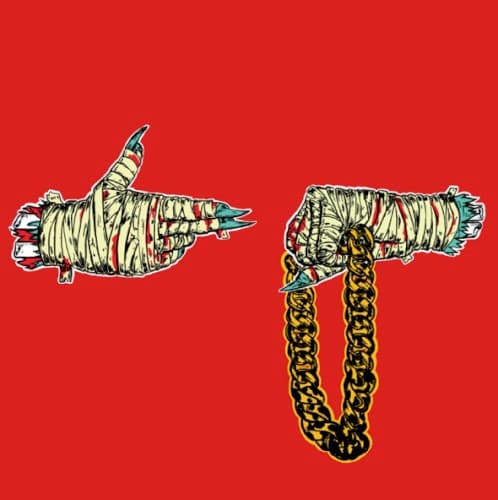
Run the Jewels 2 arrived in late 2014 with the force of a controlled demolition. Where the duo's 2013 debut felt like a proof of concept—two veterans finding unexpected chemistry—this sequel sounds like a mission statement carved in granite. El-P's production abandons subtlety entirely, constructing beats from sheet metal and distortion pedals, while Killer Mike matches that industrial fury with some of the most ferocious vocal performances of his career. The album opens with air raid sirens and never relents, barreling through thirty-nine minutes of uncompromising noise-rap that somehow feels more accessible than its predecessor.
What separates this from typical sequel bloat is the duo's willingness to push further into discomfort. El-P builds instrumentals that sound like machinery failing in real time—grinding bass frequencies, drums that hit like hydraulic presses, synth lines that screech and warp. His mixing philosophy treats distortion as a feature rather than a flaw, creating a claustrophobic listening environment where every element fights for space in the industrial hip-hop landscape. Killer Mike responds by abandoning any pretense of commercial appeal, delivering verses with the intensity of someone who genuinely has nothing to lose. The chemistry that felt accidental on the first album now feels weaponized, two distinct voices unified by shared anger and dark humor.
Industrial Minimalism Meets Maximum Impact
El-P's production philosophy on this album operates like controlled chaos. He strips beats down to their essential components—kick, snare, bass—then deliberately mangles each element until it sounds hostile. The drums hit with physical weight but never sound clean; there's always grit in the high end, distortion bleeding into the transients. He frequently builds tracks around single-note bass riffs that drone hypnotically while the percussion creates complex polyrhythms around them. This minimalist approach gives each sound maximum impact, nothing wasted, every element earning its place through sheer sonic aggression.
The sample work demonstrates El-P's ear for texture over melody. He pulls from obscure sources—vintage soul loops pitched down until they sound haunted, dialogue snippets from forgotten films, industrial sound effects repurposed as musical elements. Rather than clearing recognizable samples for nostalgic appeal, he dismantles source material until it becomes unrecognizable, using interpolation to create entirely new sonic identities. The production never sits still; layers constantly shift, effects automate in and out, creating perpetual motion even when the tempo stays locked. This restlessness mirrors the lyrical paranoia, sound design reinforcing thematic content.
Mike's vocal delivery pushes beyond his previous work, finding new registers of intensity. His tone shifts from conversational storytelling to raw shouting within single verses, using volume and cadence as production elements themselves. He rides El-P's jagged rhythms without smoothing their edges, letting his flow stutter and skip to match the beat's architecture. The chemistry works because neither artist compromises their individual aesthetic—Mike remains a Southern rapper at heart, El-P stays rooted in underground New York paralleling Mobb Deep's hardcore East Coast classic in its uncompromising regional identity—but they've found common ground in their willingness to sound abrasive.
The album's mixing choices deliberately sacrifice radio-friendliness for impact. Vocals sit forward in the mix but never sound polished; you can hear breath control, saliva clicks, the physical effort of delivery. Bass frequencies dominate, pushing into distortion territory that would horrify most mixing engineers. The stereo field gets used aggressively, with sounds panning hard left and right, creating disorienting spatial effects. This isn't music designed for background listening—it demands attention through sheer sonic hostility, rewarding close listening with layers of detail buried beneath the abrasive surface.
Where Aggression Meets Artistry
"Close Your Eyes (and Count to Fuck)" featuring Zack de la Rocha represents the album's aesthetic distilled to its purest form. El-P constructs the beat from what sounds like falling construction equipment, massive drum hits colliding with screeching guitar samples and sub-bass that threatens speaker cones. De la Rocha's guest verse—his first recorded appearance in years at the time—matches the production's fury, spitting syllables like someone exorcising demons. The track never provides release; tension builds continuously across three minutes, ending abruptly rather than resolving. As a sonic statement, it's uncompromising—the kind of track that immediately divides listeners into those who find it thrilling and those who find it unlistenable.
"Early" shifts the template entirely, slowing the tempo and stripping back the production to create genuine dread. El-P uses empty space as effectively as he uses distortion elsewhere, letting sparse drums echo over minimal bass while Mike delivers first-person narrative about police violence. The production mirrors the lyrical content's heaviness without overwhelming it, demonstrating restraint that makes the subject matter hit harder. By the time Mike's perspective shifts to someone watching the encounter, the beat has created such oppressive atmosphere that the story's outcome feels inevitable. It's the album's darkest moment, proof that the duo can achieve impact through subtraction as effectively as through sonic assault.
"Blockbuster Night, Pt. 1" showcases El-P's ability to create infectious momentum despite unconventional structure. The beat cycles through multiple movements, each more distorted than the last, while maintaining forward drive through sheer rhythmic intensity. Mike's opening verse rides the pocket perfectly, letting El-P's production breathe before both artists accelerate into double-time flows. The track manages to feel anthemic despite being built from industrial waste, the kind of song that shouldn't work as a crowd-pleaser but absolutely does in practice.
A High-Water Mark for Underground Aggression
Run the Jewels 2 succeeds by understanding that sequels shouldn't replicate—they should escalate. Every element that worked on the debut gets pushed further here: production sounds more hostile, verses hit harder, the overall aesthetic grows more uncompromising. The album's greatest achievement is making inaccessibility feel exciting rather than exclusionary. This isn't difficult music for its own sake; it's music that refuses to sand down its edges for broader appeal, trusting that the right audience will appreciate those jagged surfaces.
The few weaknesses emerge from the album's relentless intensity. At thirty-nine minutes, it's perfectly paced, but individual tracks occasionally blur together in the album's middle section, victims of sonic similarity. A few guest verses feel superfluous, breaking momentum rather than adding dimension. The production's commitment to distortion occasionally crosses into muddiness, particularly in the low end, where competing bass frequencies fight for space.
Those minor critiques barely diminish the album's impact. This stands as both artists' finest work—El-P's most cohesive production statement, Mike's most consistently powerful vocal performance. It captures a specific moment in underground hip-hop when veterans could still surprise, when two artists at career crossroads found creative rejuvenation through collaboration. The album's influence on subsequent production trends—the rise of industrial minimalism in hip-hop, increased acceptance of distortion as aesthetic choice—validates its bold approach. For listeners who find beauty in controlled chaos, Run the Jewels 2 remains essential.
Track Listing
Jeopardy
Air raid sirens open the album with immediate hostility, setting the tone before any rapping begins. El-P's beat builds from distorted bass stabs and military drum patterns, creating propulsive energy that never lets up. Both artists trade verses with competitive intensity, their chemistry evident in how they finish each other's lines and match energy levels perfectly. The production keeps the mix crowded but clear, every element fighting for space without creating mud. As an opener, it announces the album's intentions without subtlety—this will be louder, harder, more aggressive than anything either artist has done previously.
Oh My Darling Don't Cry
The production strips back to simple kick-snare patterns and droning bass, letting the rappers dominate the sonic space. El-P's beat uses negative space effectively, creating moments of near-silence before drums slam back in. Mike's verses hit particularly hard here, his delivery gaining power from the minimal backdrop. The track demonstrates the duo's understanding that constant assault loses impact—strategic restraint makes the aggressive moments land heavier. Minor mixing choices like the distorted vocal effects in the hook add texture without overwhelming the core elements.
Blockbuster Night, Pt. 1
Multiple beat switches and tempo changes create a suite-like structure within a single track. El-P layers distorted guitar samples over trap-influenced hi-hat patterns, blending underground aesthetics with Southern influence. Both rappers accelerate into double-time flows in the track's second half, riding the increasingly chaotic production. The mixing pushes everything forward simultaneously—drums, bass, vocals all competing for prominence—creating intentional sonic overload. It's ambitious production that could collapse under its own weight but instead maintains momentum through sheer force of will.
Close Your Eyes (and Count to Fuck)
Featuring Zack de la Rocha, this represents the album's most punishing moment sonically. El-P constructs the beat from what sounds like industrial machinery—screeching metal, hydraulic percussion, sub-bass pushed into distortion. De la Rocha's guest verse matches the production's intensity, delivering syllables with physical force that rivals his Rage Against the Machine work. The track never resolves tension, building continuously until it cuts out abruptly. As a sonic statement, it's uncompromising—designed to provoke rather than please, succeeding through sheer commitment to its abrasive vision.
All My Life
The production samples recognizable soul vocal loops, chopped and pitched until they sound haunted. El-P uses the melodic elements ironically, contrasting them against harsh drum programming and menacing bass. Both rappers deliver verses focused on perseverance through adversity, their vocal performances gaining weight from lived experience. The mix keeps the soul samples buried enough that they feel like ghosts in the machine rather than nostalgia bait. It's one of the album's more accessible moments without sacrificing the project's overall aesthetic.
Lie, Cheat, Steal
Built around a hypnotic bass riff that drones throughout, the production adds layers gradually rather than hitting full force immediately. El-P's drums enter with off-kilter timing, creating rhythmic tension that persists across the entire track. Both artists deliver verses about survival by any means necessary, their flows matching the beat's lurching, unpredictable movement. The production never feels stable—elements constantly shift, effects automate in and out, creating perpetual unease. It's disorienting in the best way, sound design that reinforces lyrical paranoia perfectly.
Early
The album's darkest moment strips production to essentials—sparse drums, minimal bass, oppressive empty space. El-P uses restraint masterfully, letting silence carry as much weight as sound. Killer Mike delivers first-person narrative about police violence, his vocal performance gaining power from the minimal backdrop. The production creates genuine dread without relying on the album's typical sonic assault tactics. By the track's end, when Mike's perspective shifts, the beat has established such heavy atmosphere that the story's outcome feels inevitable. It's proof the duo can achieve impact through subtraction as effectively as through maximalism.
All Due Respect
Featuring Travis Barker on drums, the track injects live percussion energy into El-P's electronic production. The drums hit with organic feel while maintaining the album's aggressive aesthetic. Both rappers trade verses about respect and reputation, their competitive chemistry driving the track forward. The live drums create different texture compared to programmed percussion elsewhere on the album, offering sonic variety without breaking the project's cohesion. It's one of the few moments where guest contributions enhance rather than distract from the core duo's chemistry.
Love Again (Akinyele Back)
The production samples classic soul with tongue-in-cheek irony, juxtaposing romantic musical elements against crude lyrical content. El-P chops the samples with precision, creating rhythmic bed that swings despite the album's typically rigid programming. Both rappers deliver explicit verses that subvert the beat's smooth surface, the contrast creating dark humor. Gangsta Boo's guest verse adds perspective shift that the concept demands. The mix keeps all elements clear despite crowded arrangement, demonstrating El-P's skill at managing sonic density without creating mud.
Crown
Downtempo production gives both artists room to deliver more measured, introspective verses. El-P's beat uses minor key melody and sparse drums to create contemplative atmosphere. Both rappers address legacy and mortality, their vocal performances gaining gravitas from the restrained backdrop. The production demonstrates range beyond the album's typical assault tactics—proof the duo can modulate intensity effectively. It's necessary breathing room before the album's final stretch, providing dynamic contrast that makes surrounding aggressive moments hit harder.
Angel Duster
The beat returns to industrial aggression with mechanical precision. El-P layers distorted synths over punishing drum programming, creating dense sonic environment. Both rappers deliver rapid-fire verses that match the production's relentless pace. The mix pushes everything forward simultaneously—a wall of sound approach that creates intentional overload. It's exhausting in the way marathon running is exhausting—difficulty that feels purposeful rather than accidental. The track demonstrates technical skill in maintaining clarity despite sonic density.
Blockbuster Night, Pt. 2
The album closer revisits the first part's musical themes while escalating intensity. El-P strips elements away gradually rather than building up, creating sense of entropy. Both rappers deliver closing statements that feel definitive rather than obligatory. The production ends the album without resolution—cutting out abruptly rather than fading, refusing easy closure. It's fitting conclusion for a project that never prioritizes listener comfort, maintaining commitment to its uncompromising vision through the final seconds.