Brooklyn Drill Goes Mainstream: Fivio Foreign's Major-Label Gamble
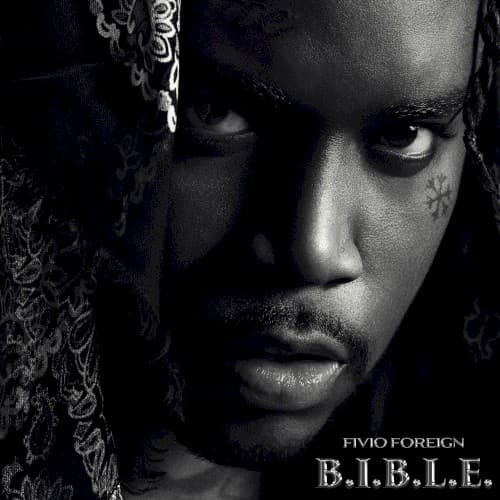
When Fivio Foreign dropped B.I.B.L.E. in April 2022, the Brooklyn drill architect faced a pressure test few regional stars survive: translating street credibility into commercial viability without losing the raw energy that built your name. His Columbia Records debut arrived after a strategic campaign of high-profile features and Pop Smoke's tragic absence created a vacuum at drill's center. The acronym—Basic Instructions Before Leaving Earth—signals spiritual ambition, though the project's sprawling 17-track runtime reveals the complications of balancing artistic identity with label expectations. Fivio's voice remains instantly recognizable, that gruff baritone sliding over sliding 808s with the conviction of someone who lived every bar before recording it. The question B.I.B.L.E. poses isn't whether Fivio can rap—his technical foundation was never in doubt—but whether his signature simplicity can sustain attention across a full-length statement when drill's novelty has worn thin and every major city claims their own variant. The album positions itself as both coronation and introduction, acknowledging Fivio's underground pedigree while chasing radio placement and playlist positioning.
Technical Foundations and the Limitations of Formula
Fivio Foreign's technical approach rests on repetition as hypnotic device rather than lyrical limitation. His flow operates in tight pockets, favoring punchy two-bar phrases that mirror drill's percussive backbone. On "Through the Fire," he locks into a rhythmic pattern—short declarative statements punctuated by breaths—that creates momentum through accumulation rather than complexity. The technique works because Fivio understands pocket placement: his vocal sits slightly behind the beat, creating tension that resolves when the 808 slides hit. This isn't technical showboating; it's architectural awareness. The problem emerges across seventeen tracks when this formula doesn't evolve significantly. Where contemporaries like Sheff G modulate their delivery or 22Gz inject melodic variance, Fivio largely maintains the same gruff monotone throughout. His vocal timbre—gravelly and commanding—carries natural authority, but the lack of inflection variation means tracks blur together in the album's middle stretch. "Magic City" and "For Nothin" employ nearly identical cadence structures despite different production approaches. This consistency reads as branding choice rather than artistic limitation, yet it caps the project's dynamic range. The album's production, handled by an army including Kanye West, Alchemist, and AXL Beats, provides more sonic diversity than Fivio's delivery exploits. "City of Gods" layers triumphant horns over drill's signature slide patterns, creating space for Kanye and Alicia Keys' contributions to breathe. The beat switches and melodic flourishes showcase drill's evolution from basement intensity to arena-ready production. Alchemist's "Changed on Me" strips the template down to eerie keys and minimal percussion, forcing Fivio into a more measured pocket that reveals his technical comfort with tempo variation. These production choices highlight an interesting tension: the beats evolve more than the rapping. Lyrically, Fivio operates in drill's narrow thematic bandwidth—street credibility maintenance, flex material, relationship turbulence handled with emotional distance. His wordplay leans on internal rhyme schemes rather than multisyllabic pyrotechnics. Lines like "I don't want your love, I just want the loyalty" on "Love Songs" demonstrate his preference for quotable simplicity over technical density. This approach serves drill's confrontational directness but limits the album's replayability once the initial energy dissipates. When he attempts introspection on "B.I.B.L.E. Talk," the emotional vocabulary doesn't quite match the ambitious framing, leaving genuine vulnerability underexplored. The feature selection reveals label strategy intersecting with artistic vision. Kanye's presence on multiple tracks legitimizes Fivio's crossover bid, while Polo G and Lil Yachty appearances target demographic expansion. These collaborations succeed technically—the voices blend without awkward tonal shifts—but they also dilute what made Fivio compelling. The raw immediacy of early singles gets smoothed into something more palatable and less distinctive. "What's My Name" featuring Queen Naija and Coi Leray chases melodic accessibility at the expense of drill's aggressive core, and Fivio sounds less commanding when stepping outside his comfort zone to accommodate pop-leaning hooks.
Where Street Authenticity Meets Commercial Ambition
"City of Gods" remains the album's undeniable centerpiece, not just for its star power but for how it resolves B.I.B.L.E.'s central tension. Fivio holds his own against Kanye West's scene-stealing verse and Alicia Keys' soaring hook, maintaining drill's rhythmic intensity while the production ascends to something approaching anthemic. His flow stays locked in the pocket even as the beat expands, proving he can scale his approach without abandoning it entirely. The track works because everyone involved understands their role—Fivio provides the street foundation that gives the grandeur legitimacy. "Through the Fire" showcases Fivio at his most technically assured, his delivery switching between aggressive bursts and measured statements that demonstrate breath control and rhythmic precision. The way he rides the beat's pockets here—letting phrases breathe before the next percussive hit—reveals sophisticated timing instincts. It's the album's best argument for Fivio as more than regional novelty, capturing drill's intensity without relying on feature assistance or production gimmicks. "Changed on Me" benefits from Alchemist's atmospheric minimalism, forcing Fivio to carry the track through vocal presence alone. His flow adapts to the slower tempo, stretching syllables slightly and allowing more emotional weight into his delivery. The track hints at what a more artistically ambitious Fivio project might explore—drill's template applied to introspective territory without abandoning the core aesthetic. It's one of few moments where the album prioritizes mood over momentum, and the restraint pays dividends.
A Successful Introduction That Settles for Competence Over Innovation
B.I.B.L.E. accomplishes its primary objective: establishing Fivio Foreign as drill's mainstream ambassador without alienating the base that built his reputation. The album delivers competent execution across seventeen tracks, showcasing strong beat selection and enough high-profile collaborations to justify Columbia's investment. Fivio's technical fundamentals—pocket awareness, rhythmic consistency, vocal authority—remain intact throughout. The problem is that competence isn't compelling across this runtime. Brooklyn drill's initial shock has faded, and B.I.B.L.E. doesn't push the sound forward or deepen Fivio's artistic identity beyond what earlier singles already established. The album's length works against it, with the back half retreading familiar ground without the production innovation or technical evolution to justify the repetition. Tracks like "Whoever" and "Can't Be Us" feel like checklist obligations rather than essential statements. For listeners seeking drill's aggressive immediacy, B.I.B.L.E. delivers in concentrated bursts. For those hoping Fivio might expand drill's emotional or technical boundaries, the album plays it disappointingly safe. It's a solid debut that prioritizes market positioning over artistic risk, which may secure Fivio's commercial future while leaving his creative ceiling unexplored. The rating reflects a project that succeeds on its own modest terms but misses the opportunity to claim drill's artistic high ground while Pop Smoke's throne remains contested.
Track Listing
On God
Album opener that establishes Fivio's aggressive tone immediately, with his signature gruff delivery riding minimal drill percussion. The flow stays locked in tight two-bar pockets, creating momentum through repetition rather than technical variation. Sets the template the album will largely follow—rhythmic consistency over lyrical complexity. Strong opening energy but lacks the hook strength to make it truly memorable beyond establishing mood.
Through the Fire
Peak technical performance where Fivio demonstrates sophisticated pocket awareness and breath control. His delivery alternates between aggressive bursts and measured statements, creating dynamic contrast within his limited tonal range. The way he rides behind the beat creates tension that resolves perfectly with the 808 slides. Showcases his architectural understanding of flow construction and proves he can carry a track through rhythmic precision alone. Strongest argument for Fivio as technically accomplished rather than one-dimensional.
Magic City
Strip club anthem that leans into drill's flex material without adding meaningful variation to Fivio's approach. The production provides melodic flourishes he doesn't fully exploit, maintaining the same cadence structure as previous tracks despite the beat's invitation to modulate. Solid pocket work but feels like template execution rather than creative expansion. The thematic material—money, women, status—hits expected marks without memorable phrasing or quotable moments.
City of Gods
The album's undeniable centerpiece where Fivio holds his own against Kanye West's scene-stealing verse and Alicia Keys' soaring hook. His flow maintains drill intensity while the production ascends to anthemic territory, proving he can scale his approach without abandoning core identity. Rhythmic precision keeps him grounded as the beat expands around him. The track resolves B.I.B.L.E.'s central tension—street credibility meeting commercial ambition—more successfully than any other moment. Features everyone understanding their role in service of a cohesive statement.
What's My Name
Commercial crossover attempt featuring Queen Naija and Coi Leray that exposes Fivio's limitations outside drill's aggressive core. His delivery sounds less commanding when accommodating pop-leaning melodic hooks, and the tonal shift feels forced rather than natural evolution. The female features dominate the track's melodic space while Fivio retreats into familiar patterns that clash with the production's accessibility. Well-intentioned demographic expansion that dilutes what makes him distinctive without successfully capturing new territory.
For Nothin
Returns to drill fundamentals after the previous track's melodic detour, but the relief of familiar territory can't mask how similar this sounds to earlier moments. Fivio employs nearly identical cadence structures to "Magic City" despite different production choices. Solid technical execution in the pocket, but the lack of evolution or memorable hooks makes this feel like album filler. Demonstrates the limitation of Fivio's formulaic approach when extended across seventeen tracks.
Hello
Mid-tempo cut where Fivio attempts slightly more introspective territory without fully committing to vulnerability. His delivery maintains the gruff monotone that works for aggression but limits emotional range when the material calls for it. The production creates space for deeper exploration that his lyrical vocabulary doesn't quite fill. Decent rhythmic variation in the flow construction, but the thematic execution feels surface-level when gesturing toward personal reflection.
Confidence
Swagger-focused track that plays to Fivio's strengths—declarative statements delivered with absolute conviction. His vocal authority carries the relatively simple production, and the repetitive hook structure creates hypnotic momentum. Flow stays in familiar pockets but the energy level and quotable simplicity make this more effective than similar attempts elsewhere on the album. Works because it doesn't overreach beyond Fivio's natural comfort zone or technical wheelhouse.
Slime Them
Aggressive standout where Fivio's confrontational delivery matches drill's most intense production moments. His flow locks into the percussive elements with precision timing, creating rhythmic violence that captures the subgenre's visceral appeal. Minimal melodic elements keep focus on his vocal presence and pocket placement. One of the album's best pure drill executions, reminding listeners why Fivio earned his reputation before major-label considerations entered the equation.
Feel My Struggle
Attempts vulnerability and introspection with mixed results, as Fivio's emotional vocabulary doesn't quite match the ambitious framing. His delivery remains in the same tonal range that works for street material but limits the emotional weight here. The production creates atmospheric space for deeper exploration, yet the lyrics stay relatively surface-level. Genuine effort to add dimension to his artistic identity, but the execution reveals technical and thematic limitations when stepping outside core territory.
World Watching
Contemplates newfound attention and industry pressure with more success than previous introspective attempts. Fivio's delivery maintains conviction while acknowledging the stakes of his major-label position, and the production balances drill's aggression with cinematic scope. Flow variation shows him adapting rhythmic approach slightly to serve the material's reflective tone. Not a complete artistic evolution but demonstrates awareness of the growth his position demands.
B.I.B.L.E. Talk
Title track and conceptual centerpiece that should provide the album's thematic anchor but doesn't quite deliver the depth the framing promises. Fivio gestures toward spiritual and philosophical territory without the lyrical specificity to make it resonant. His flow handles the slower tempo competently, but the emotional exploration remains underdeveloped. Feels like artistic ambition exceeding current capability, though the attempt adds dimension even if the execution falls short of the vision.
Changed on Me
Alchemist's atmospheric production strips drill down to eerie keys and minimal percussion, forcing Fivio into a measured pocket that reveals his comfort with tempo variation. His delivery adapts to the slower pace, stretching syllables and allowing more emotional weight into his voice. One of the album's few moments prioritizing mood over momentum, and the restraint pays dividends. Hints at what a more artistically ambitious Fivio project might explore—drill's template applied to introspective territory without abandoning core aesthetic.
Left Side
Returns to aggressive drill fundamentals in the album's back half, which feels both reassuring and repetitive by this point in the runtime. Fivio's pocket work remains technically solid, but the similar cadence structures and thematic material blur together with earlier tracks. Production provides energy that his delivery doesn't fully match with new ideas or memorable phrasing. Competent execution that doesn't justify its place in an already-long tracklist.
Love Songs
Relationship material handled with the emotional distance drill typically employs, featuring quotable simplicity in lines like the loyalty-over-love framing. Fivio's delivery maintains tough exterior while gesturing toward vulnerability, creating interesting tension even if he doesn't fully commit to either pole. The melodic production invites more singing than he provides, staying in his gruff comfort zone. Decent execution of drill's limited relationship vocabulary without breaking new ground.
Whoever
Late-album cut that feels like checklist obligation rather than essential statement. Fivio employs familiar flow patterns and thematic territory covered more effectively earlier in the project. The production tries to inject energy that the redundancy undercuts, and the lack of memorable hooks or technical evolution makes this skippable. Demonstrates how the album's length works against it—solid individual elements that lose impact through repetition and diminishing returns.
Can't Be Us
Closing track that attempts to end on a triumphant note but mostly reinforces what the album already established multiple times. Fivio's delivery maintains the gruff authority that defines his approach, and the production provides appropriate finale energy. However, the lyrical territory and flow construction offer nothing new after sixteen previous tracks. Competent but unnecessary conclusion that doesn't reframe or elevate what came before, highlighting the project's bloat.