From Southside Queens to Global Phenomenon: 50 Cent's Rise
Curtis Jackson emerged from South Jamaica, Queens with a survival story that would define his entire artistic identity. Shot nine times in 2000 and left for dead outside his grandmother's house, he transformed near-fatal violence into the foundational myth of his career. That incident didn't just provide biographical material—it shaped the fearless, confrontational energy that made him impossible to ignore when he resurfaced on underground mixtapes two years later. His pre-fame hunger created a relentless work ethic and street credibility that no marketing campaign could manufacture.
The artist now known as 50 Cent built his reputation through tireless mixtape circulation before major labels even noticed. His breakthrough came when Eminem heard "Guess Who's Back?" and immediately brought the tape to Dr. Dre, recognizing something rare: technical skill married to authentic menace. What followed was one of hip-hop's most explosive commercial launches, but his significance extends beyond sales figures. He arrived at a moment when East Coast rap needed revitalization, bringing raw street narratives back to mainstream prominence while the Dirty South was reshaping the genre's center of gravity.
His impact reverberates through how he merged hardcore content with pop accessibility, proving gangsta rap could dominate radio without softening its edge. The combination of Dr. Dre's polished West Coast production aesthetic with Jackson's Queens street perspective created something distinctly new—a crossover formula that influenced a generation of artists trying to balance authenticity with commercial viability.
Menacing Minimalism: The Sonic Architecture of 50 Cent
The most distinctive element of his sound is the vocal delivery itself—that slurred, almost lazy flow that somehow conveys both indifference and threat simultaneously. He doesn't rap at you; he leans in close and half-whispers the most violent imagery imaginable, creating intimacy through menace. This signature cadence, slightly behind the beat with deliberate enunciation that stretches certain syllables, became instantly recognizable. Where many contemporaries favored rapid-fire technical displays, he weaponized restraint. The confidence to say less, to let silence work, to trust that his presence alone carried weight.
His production choices, particularly during the Dre and Eminem era, favored stark minimalism—heavy bass, crisp snares, and melodic hooks built around simple, infectious progressions. Tracks like "In Da Club" demonstrated how much impact you could generate with limited elements: that propulsive bass line, those stabbing synth notes, maximum space for the vocals to dominate. This approach contrasted sharply with the more ornate sample-heavy production dominating New York hip-hop at the time, positioning him sonically closer to West Coast aesthetics despite his geographical roots.
What made his early work particularly effective was how the production complemented rather than competed with his delivery. Dre understood that Jackson's vocal tone was the instrument—everything else existed to showcase that menacing drawl. Later albums experimented more with singing, pop crossover production, and club-ready beats, sometimes sacrificing the raw edge that defined his initial impact. The tension between his street narrative instincts and commercial pop ambitions created an uneven but fascinating discography, with his best work emerging when those elements achieved equilibrium rather than one overwhelming the other.
Commercial Domination and the G-Unit Empire
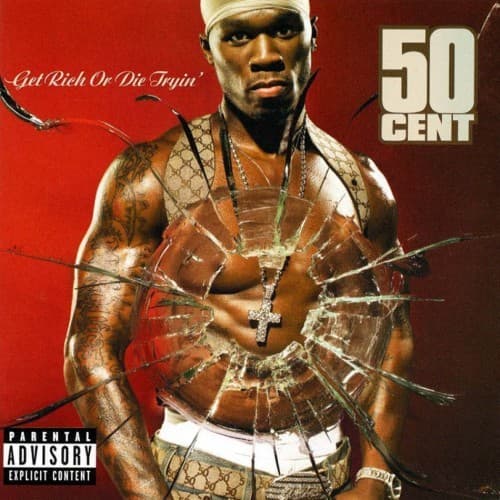
The commercial explosion of Get Rich or Die Tryin' in 2003 remains one of modern hip-hop's most significant events—872,000 copies in its first week, eventually exceeding six million domestic sales. That debut wasn't just successful; it reset expectations for what hip-hop could achieve commercially in the early 2000s. The album arrived perfectly positioned: Eminem's endorsement provided instant credibility and marketing muscle, Dr. Dre's production gave it sonic polish, and Jackson's authentic street background satisfied hip-hop purists who might otherwise dismiss such mainstream success as manufactured.
But reducing his career to that singular album misses how he built and sustained an empire. The G-Unit collective became a brand unto itself—clothing lines, video games, artist development, and a series of successful albums from Lloyd Banks and Tony Yayo. He understood artist development and marketing in ways that transcended typical rapper-turned-executive ventures. His beef with Ja Rule and Murder Inc., while often dismissed as publicity stunts, demonstrated strategic thinking about market positioning. By systematically dismantling a competitor's commercial viability through relentless mixtape attacks, he effectively cleared space for his own dominance.
The Massacre in 2005 moved 1.14 million copies in its first week, proving the debut wasn't a fluke. Yet this album also revealed emerging tensions in his artistic direction. Tracks like "Candy Shop" leaned heavily into pop crossover territory, while "Piggy Bank" maintained his confrontational edge. Critics noted decreased hunger, though commercial performance remained massive. This period saw him at peak cultural influence—his presence in video games, film, and television extended far beyond music.
Curtis in 2007 marked a turning point, not because the album failed artistically, but because the manufactured sales competition with Kanye West's Graduation exposed vulnerabilities. West's decisive victory signaled shifting hip-hop aesthetics away from hardcore gangsta posturing toward more experimental, emotionally complex territory. His response—releasing Before I Self Destruct in 2009 and attempting to recapture earlier rawness—felt reactive rather than innovative.
The 2010s saw him transition focus toward television production and business ventures, with music becoming one component of a larger entertainment portfolio. Albums like Animal Ambition and Street King Immortal received limited promotion, suggesting recognition that his commercial peak had passed. Yet this diversification demonstrated business acumen that many artist-entrepreneurs lack. The success of the Power television series, which he executive produced, proved his cultural instincts extended beyond music into narrative television that captured similar thematic territory—street power dynamics, survival, and ambition.
Reshaping Commercial Hip-Hop's Possibilities
His most enduring contribution lies in proving that uncompromising street content could achieve pop-level commercial success without significant lyrical sanitization. Before his emergence, the path to mainstream dominance typically required softening edges, emphasizing positivity, or focusing on party themes. He demonstrated that graphic violence, drug dealing narratives, and confrontational aggression could coexist with radio dominance if the production was polished and the hooks were undeniable. This opened doors for artists like Young Jeezy, Rick Ross, and eventually the drill movement—all of whom benefited from the commercial space he carved out.
The mixtape strategy he employed became standard practice industry-wide. While he didn't invent the promotional mixtape, his systematic use of free releases to build anticipation, attack competitors, and maintain visibility between albums established a template that remains relevant in the streaming era. His understanding that controlling the narrative through constant content release mattered as much as album sales influenced how subsequent generations approached career development.
His vocal style's influence appears everywhere in contemporary rap, though often unacknowledged. That relaxed, menacing delivery—the sense that extreme violence is being discussed with casual indifference—became a template for projecting authenticity and street credibility. Listen to countless artists who emerged in his wake, and you hear echoes of that slurred confidence, that behind-the-beat phrasing, that weaponized calm.
Yet his legacy also includes cautionary lessons about sustaining artistic evolution. The dramatic decline in commercial relevance after Curtis demonstrated how quickly hip-hop moves past artists who don't adapt sonically. His reluctance to experiment beyond his established formula, combined with shifting cultural tastes toward more vulnerable, emotionally complex rap, left him sounding increasingly dated. The business success he achieved in television and other ventures somewhat obscures this musical decline, but it remains a lesson in the genre's unforgiving relationship with artists who rest on past achievements rather than pushing forward.